Owned Systems Library
Field notes from real operating systems we have built across construction, unions, healthcare, real estate, private AI, and owned technology stacks.
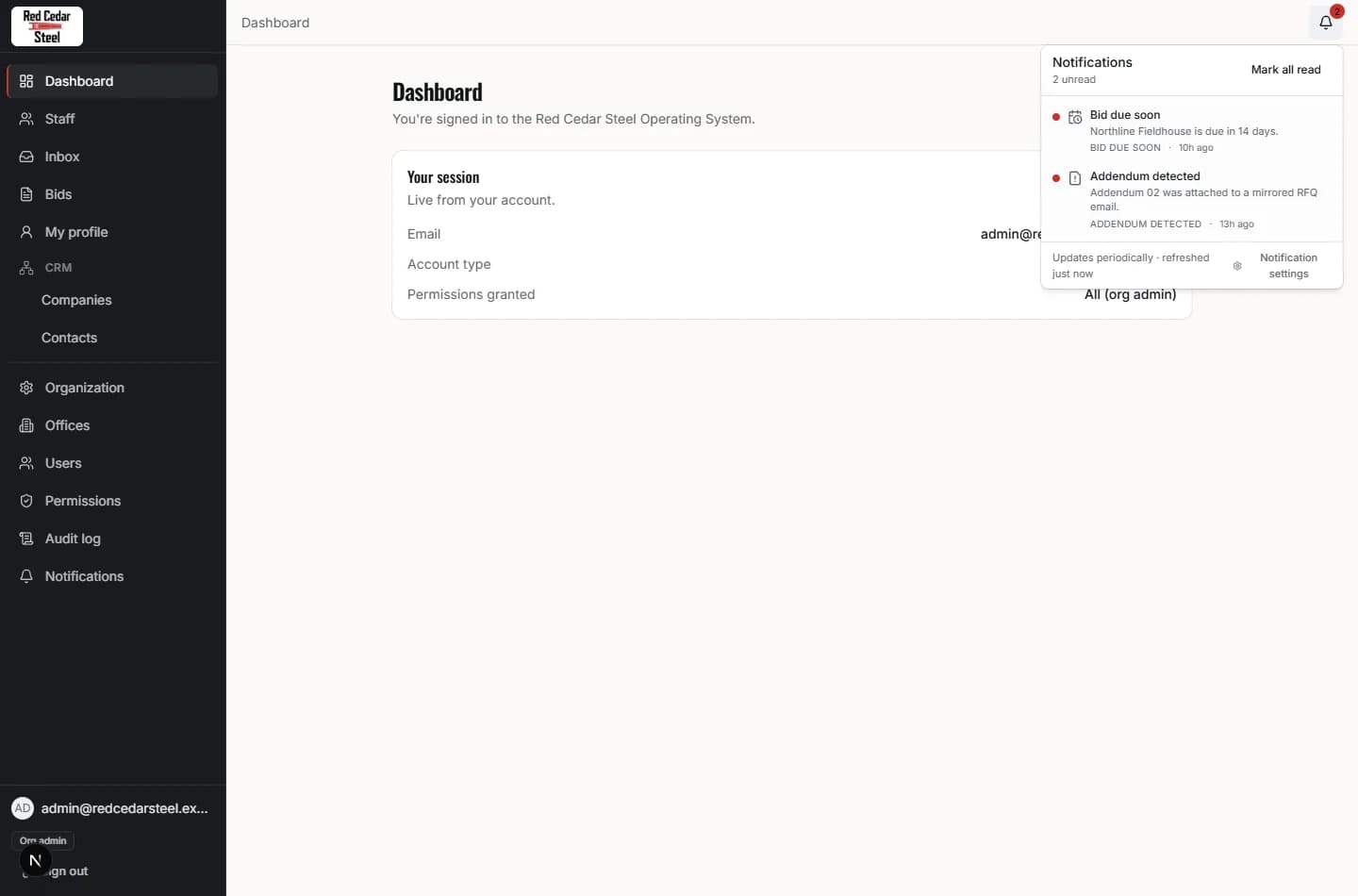
What a Structural Steel Operating System Actually Owns
Steel work gets expensive when bid context, documents, follow-up, and field handoff live in too many places. An owned operating system keeps the story of the job together.
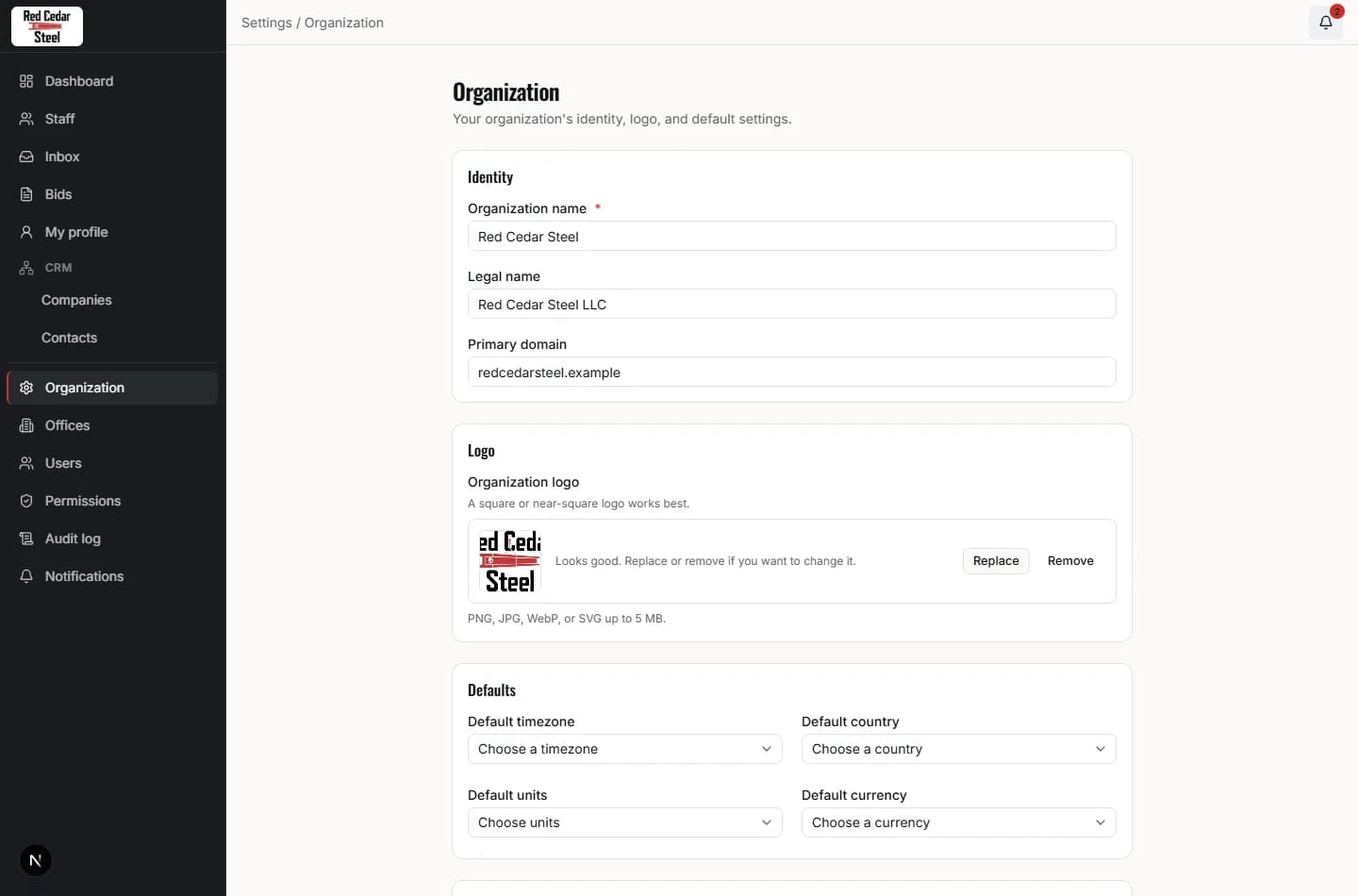
System proof: Red Cedar Steel operating workflow
Latest proof notes
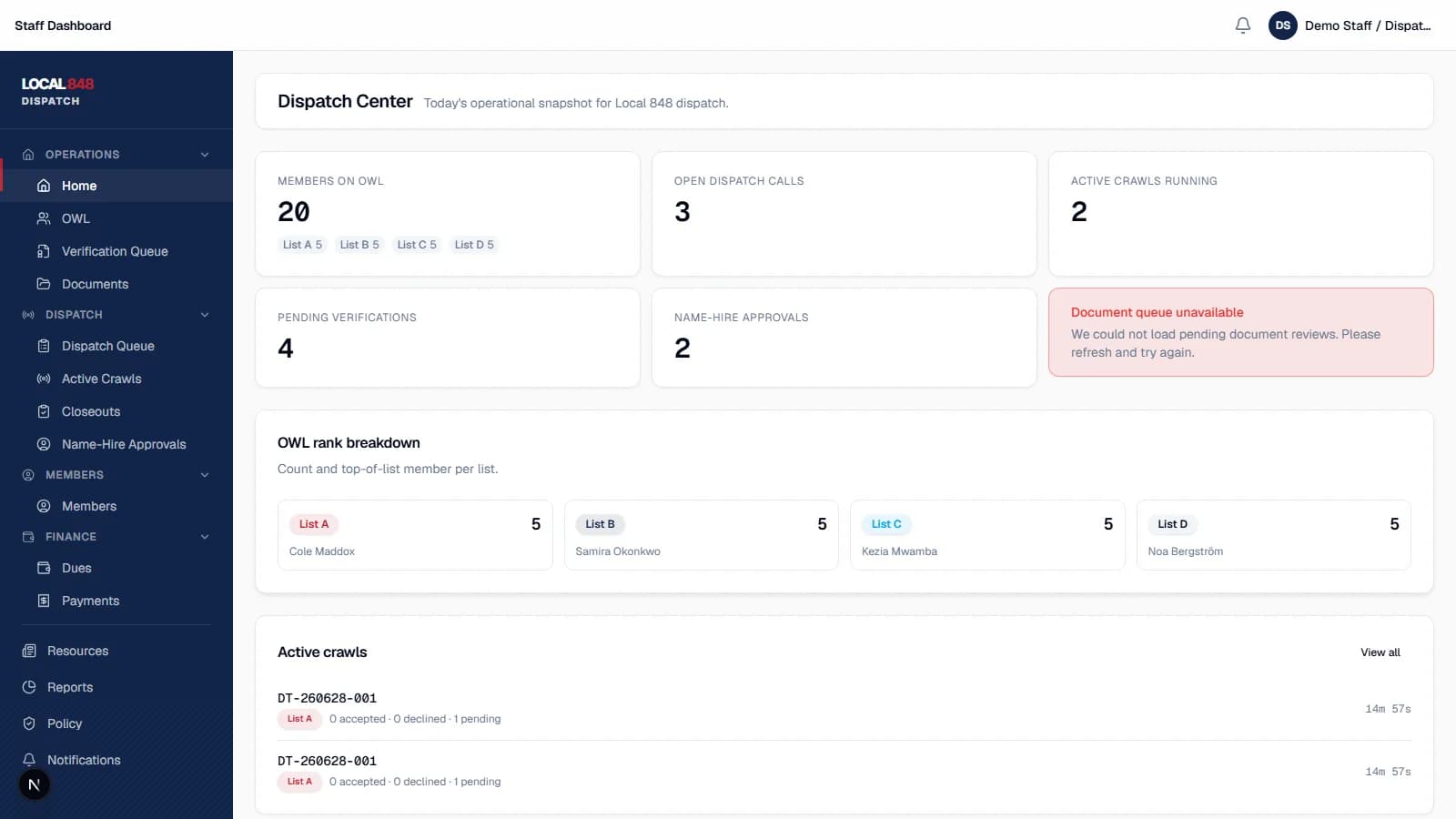
What a Union Dispatch Operating System Must Make Visible
Dispatch is not only a queue. It is a trust workflow between contractor requests, staff review, member offers, referrals, and accountable follow-up.
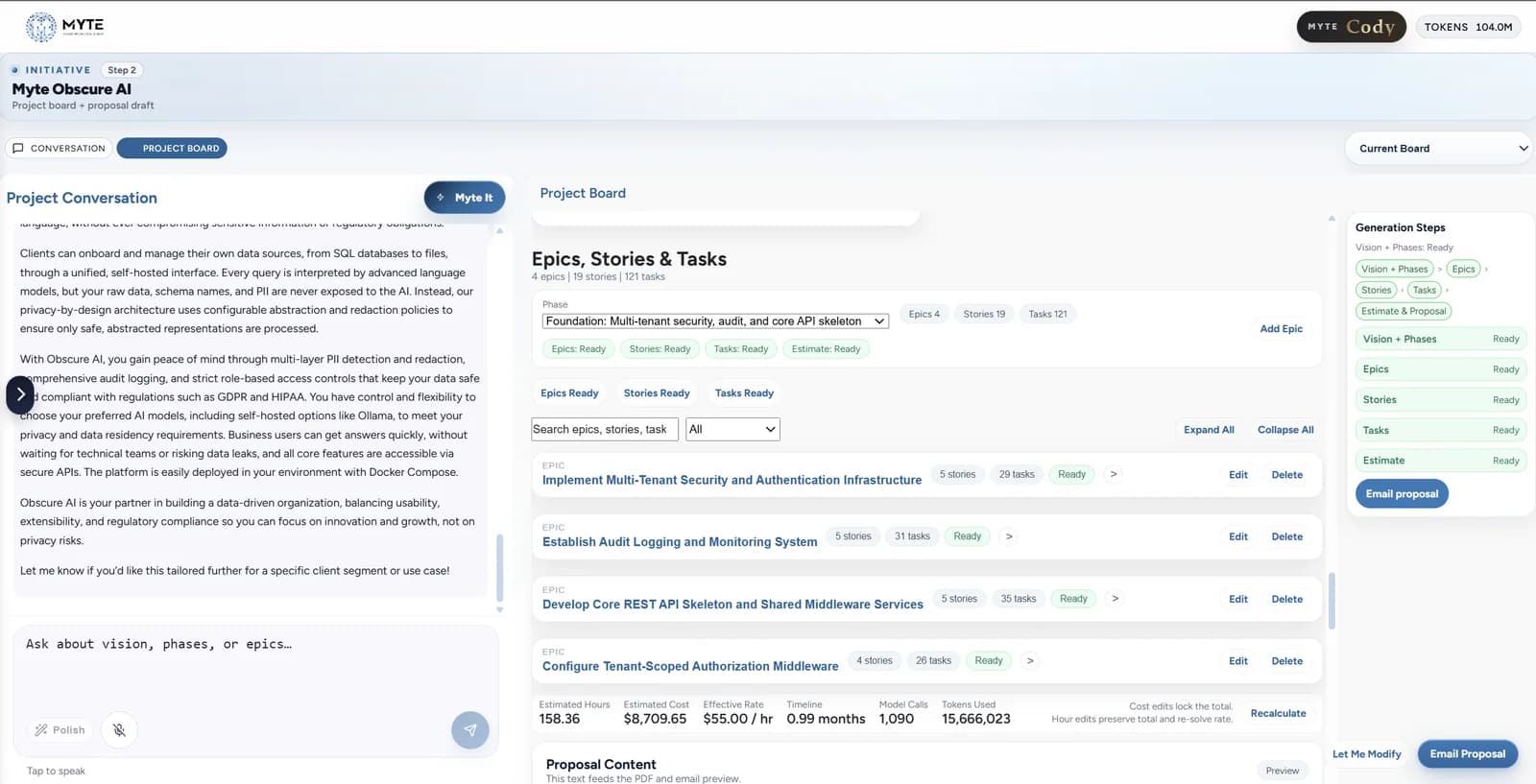
Own Your Stack: White-Glove Build Today, Self-Serve Power Tomorrow
Myte builds the operating system with you first, then leaves your organization with the documentation, deployment model, and ownership path to keep extending it.
RFQ Intake for Structural Steel Contractors Should Not Start in an Inbox
RFQ intake is the first place a steel contractor can protect context, ownership, documents, deadlines, and estimating readiness.
Bid Memory Is the Estimating Asset Most Contractors Forget to Build
Estimating teams do more than price work. They create knowledge about scope, risk, client behavior, documents, deadlines, and field promises.
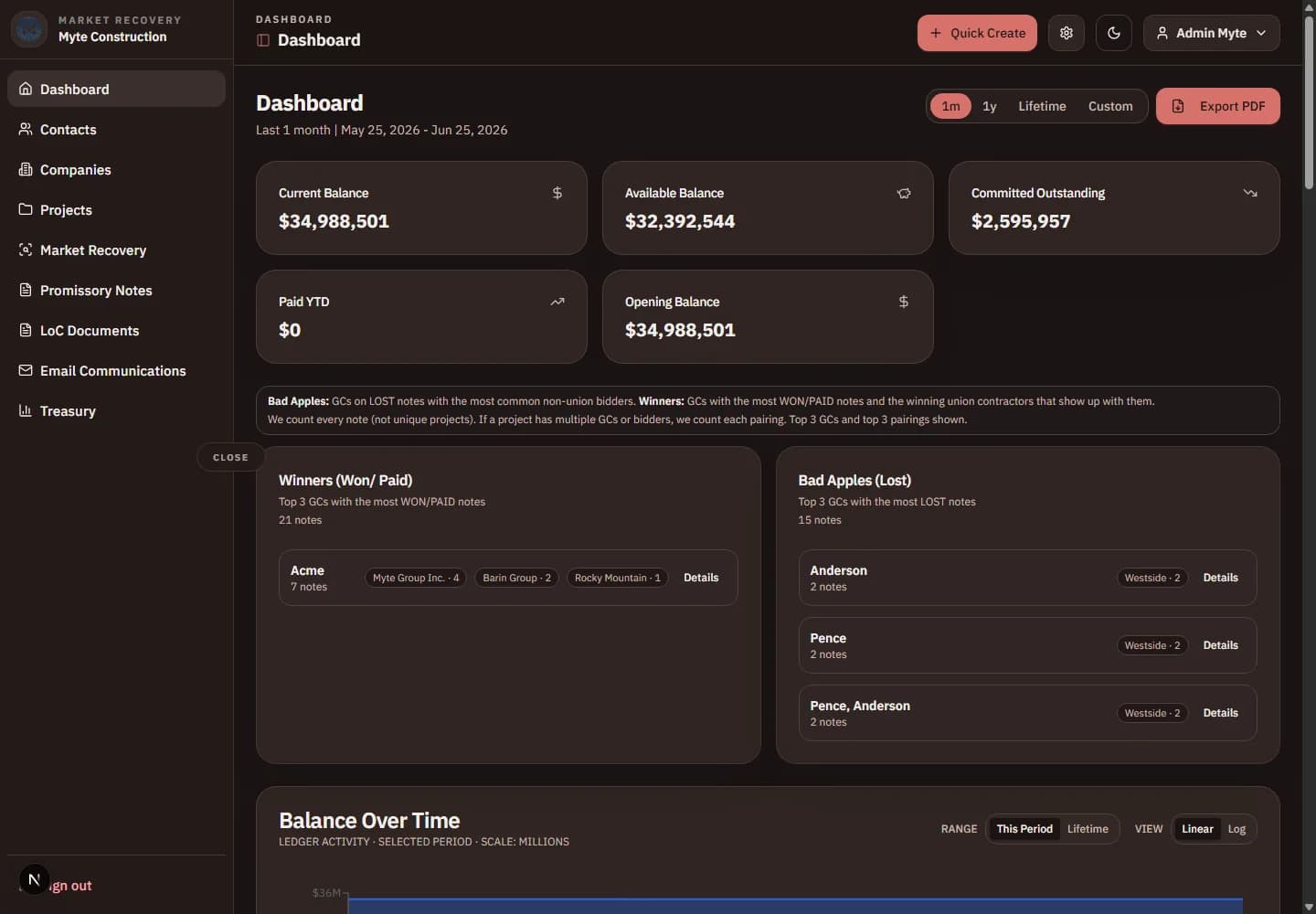
Market Recovery Needs a System, Not a Wall of Follow-Up Notes
Market recovery work succeeds when contractors, opportunities, contacts, status, field intelligence, and follow-up become shared operating memory.
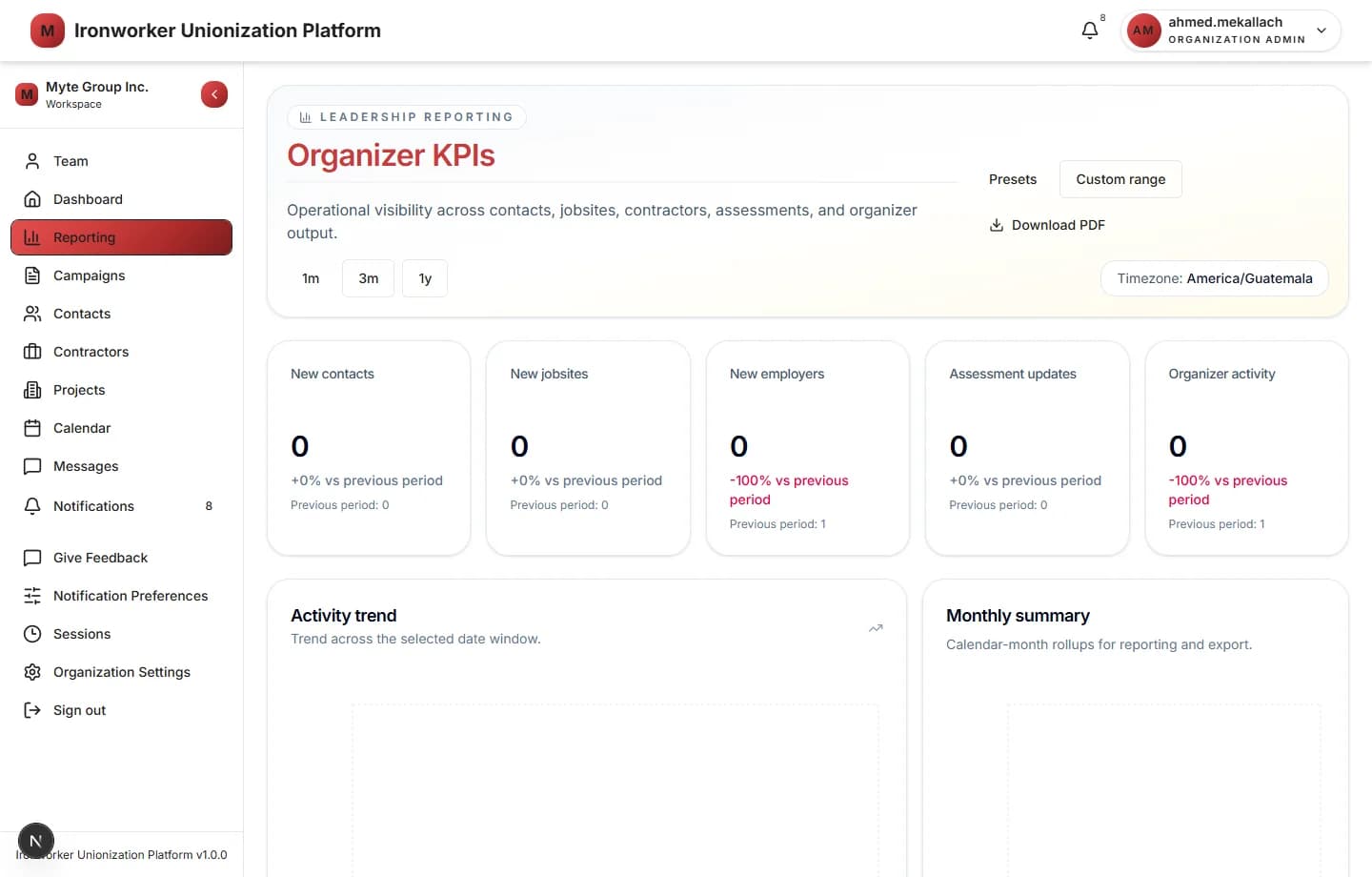
Union Organizing Software Should Preserve Field Momentum
Organizing succeeds when field conversations, contacts, campaign state, next actions, and leadership visibility become shared memory.
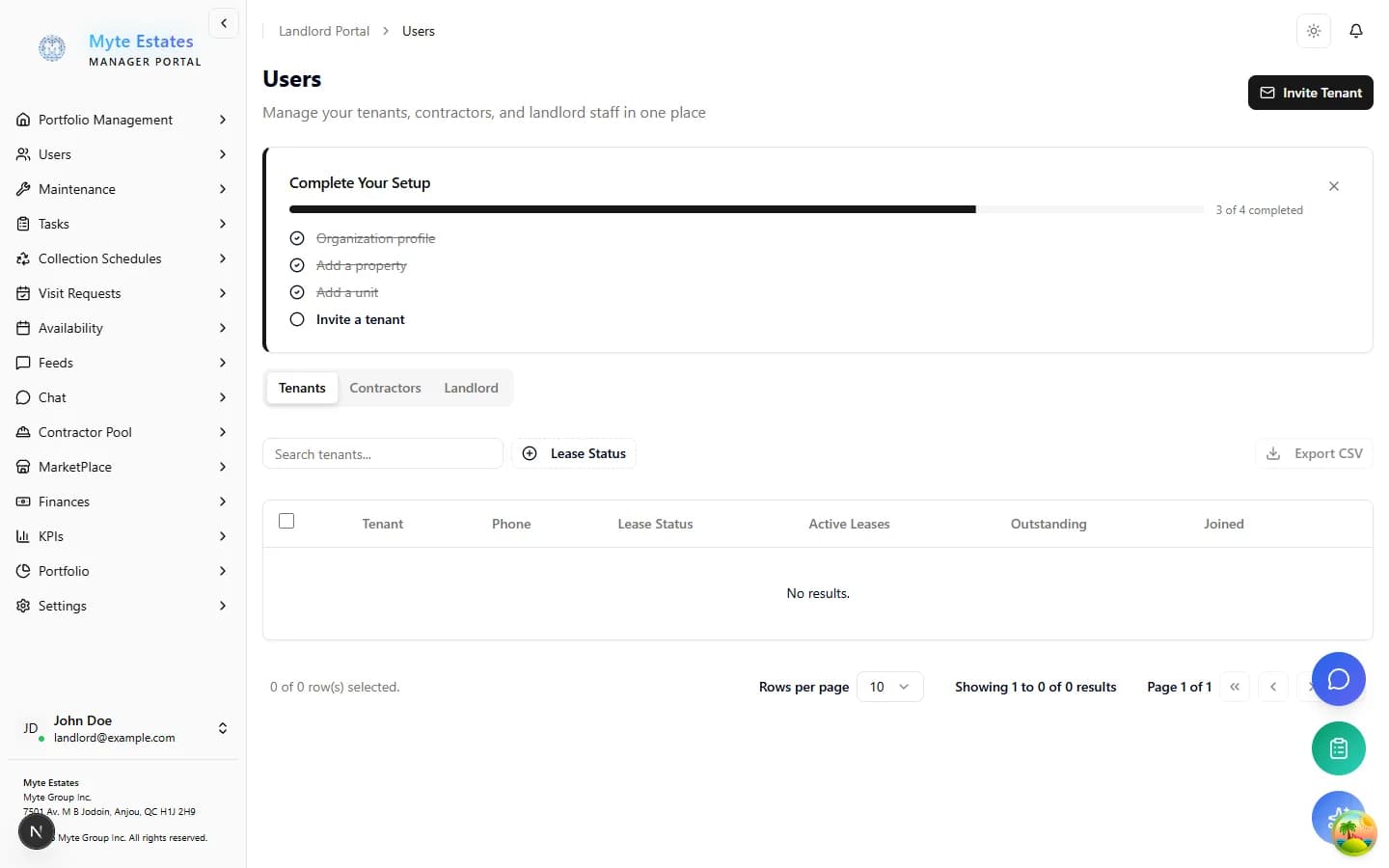
Real Estate Operators Need One Memory for Properties, People, and Work
A real estate operating system connects properties, units, tenants, owners, documents, maintenance, tasks, and reporting in one owned workflow.
Buyer and Seller Journeys Should Become the Real Estate Agent Operating System
Independent real estate agents need lead intake, buyer and seller journeys, CRM follow-up, website questions, and data ownership in one foundation.
Myte Cody Turns Ideas Into Production Operating Systems
Cody is the delivery operating layer that keeps client intent, missions, conversations, feedback, proof, code, and handoff connected.
Custom ERP for Construction Companies: What Should Be Owned First
Construction ERP should start with the workflows that create repeated friction: RFQs, estimating, documents, approvals, field handoff, and reporting.
Custom ERP for Structural Steel Contractors
Steel contractors need software that owns bid memory, RFQ intake, estimating context, documents, and field handoff.
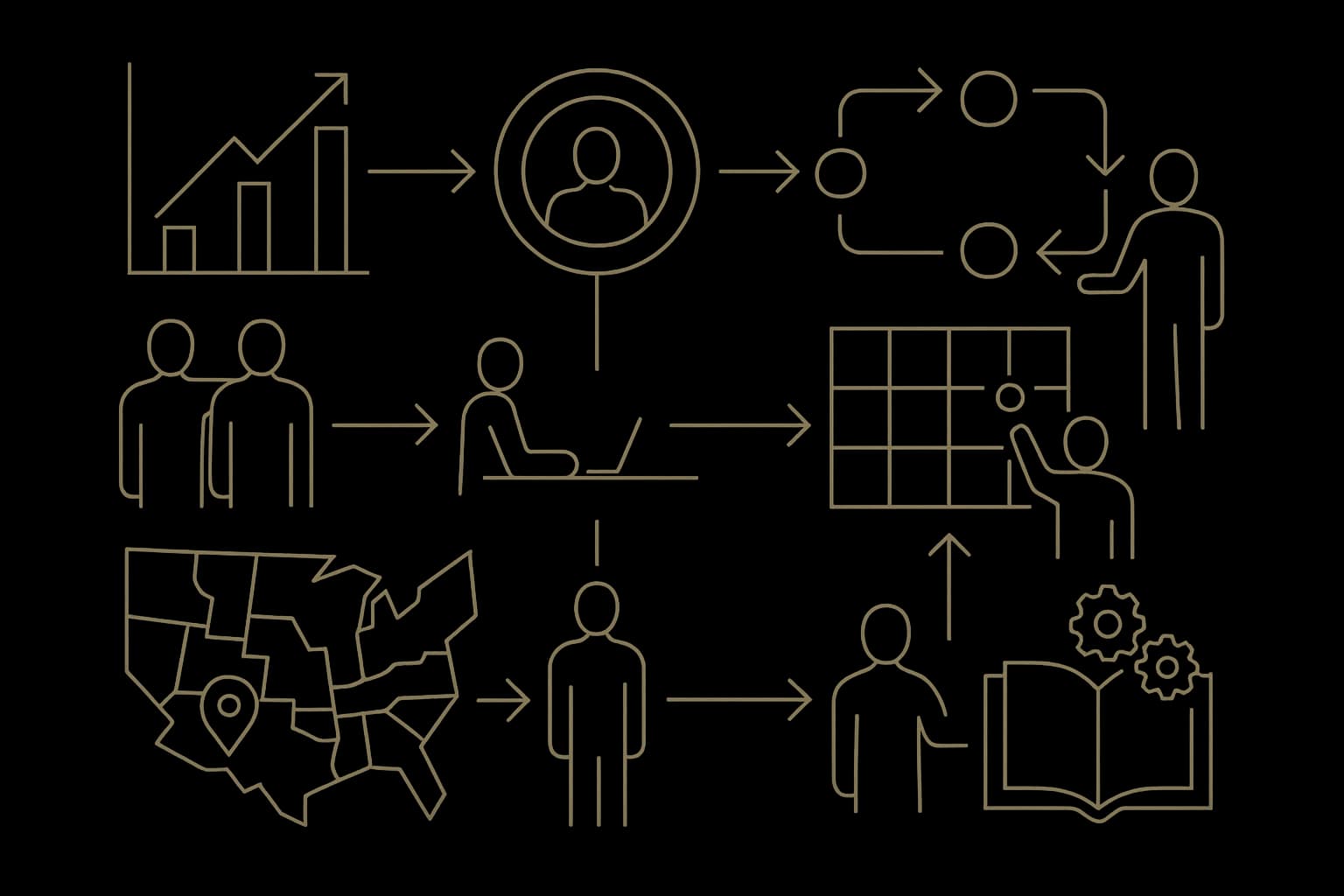
Union Dispatch Software: What the Dispatch Desk Actually Needs
Union dispatch software should connect contractor demand, staff review, member offers, referrals, history, and governance.
Union Organizer CRM: Why Field Memory Needs More Than Contacts
A union organizer CRM should preserve conversations, commitments, campaign state, next actions, and leadership visibility.
Market Recovery Software for Unions
Market recovery software should preserve contractor intelligence, opportunities, contacts, field notes, and accountable follow-up.
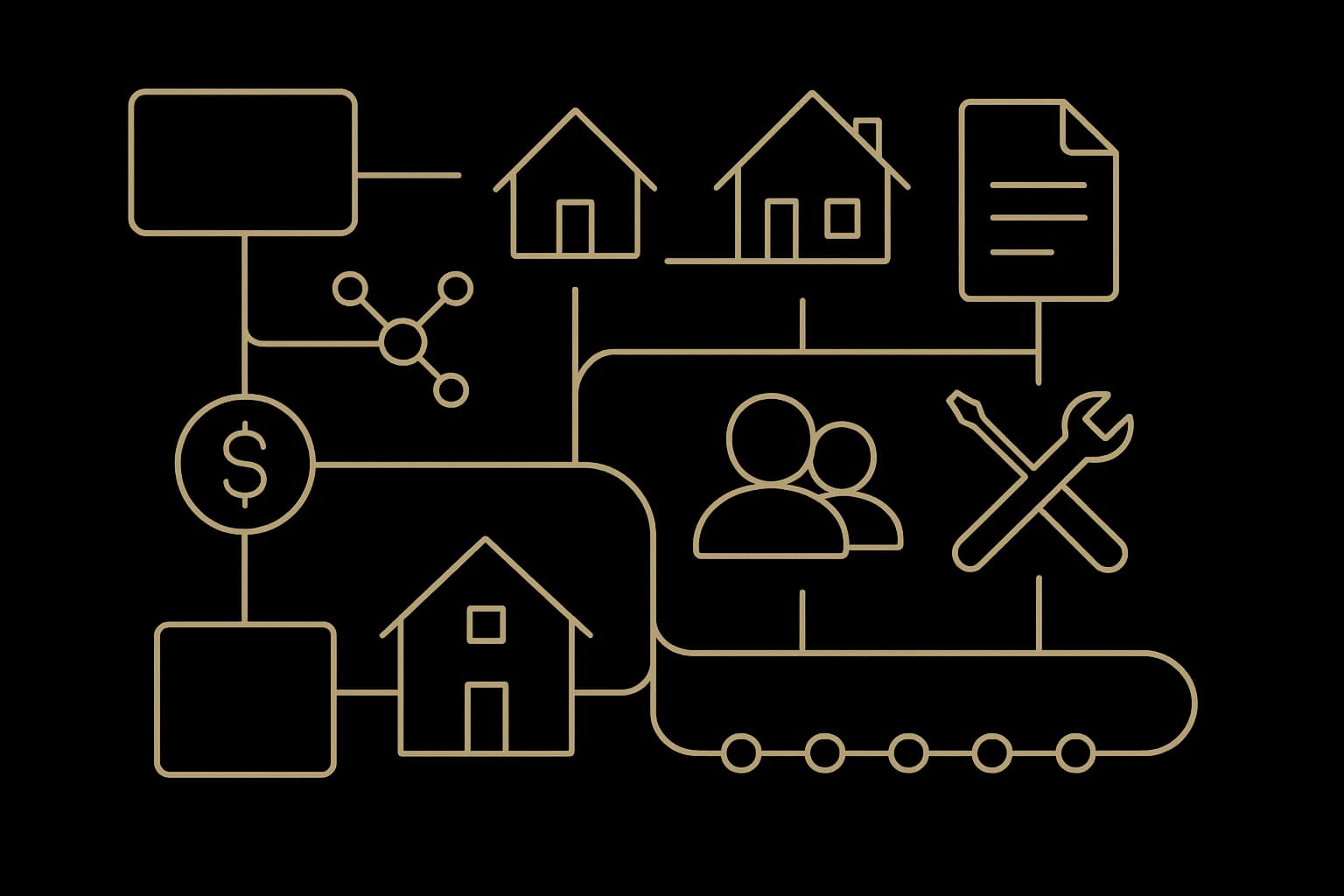
Real Estate CRM for Independent Agents
A real estate CRM for independent agents should preserve leads, buyer and seller journeys, property memory, follow-up, and ownership beyond any brokerage tool.
Property Management Operating System
A property management operating system should connect owners, units, tenants, documents, maintenance, tasks, and visibility in one owned workflow.
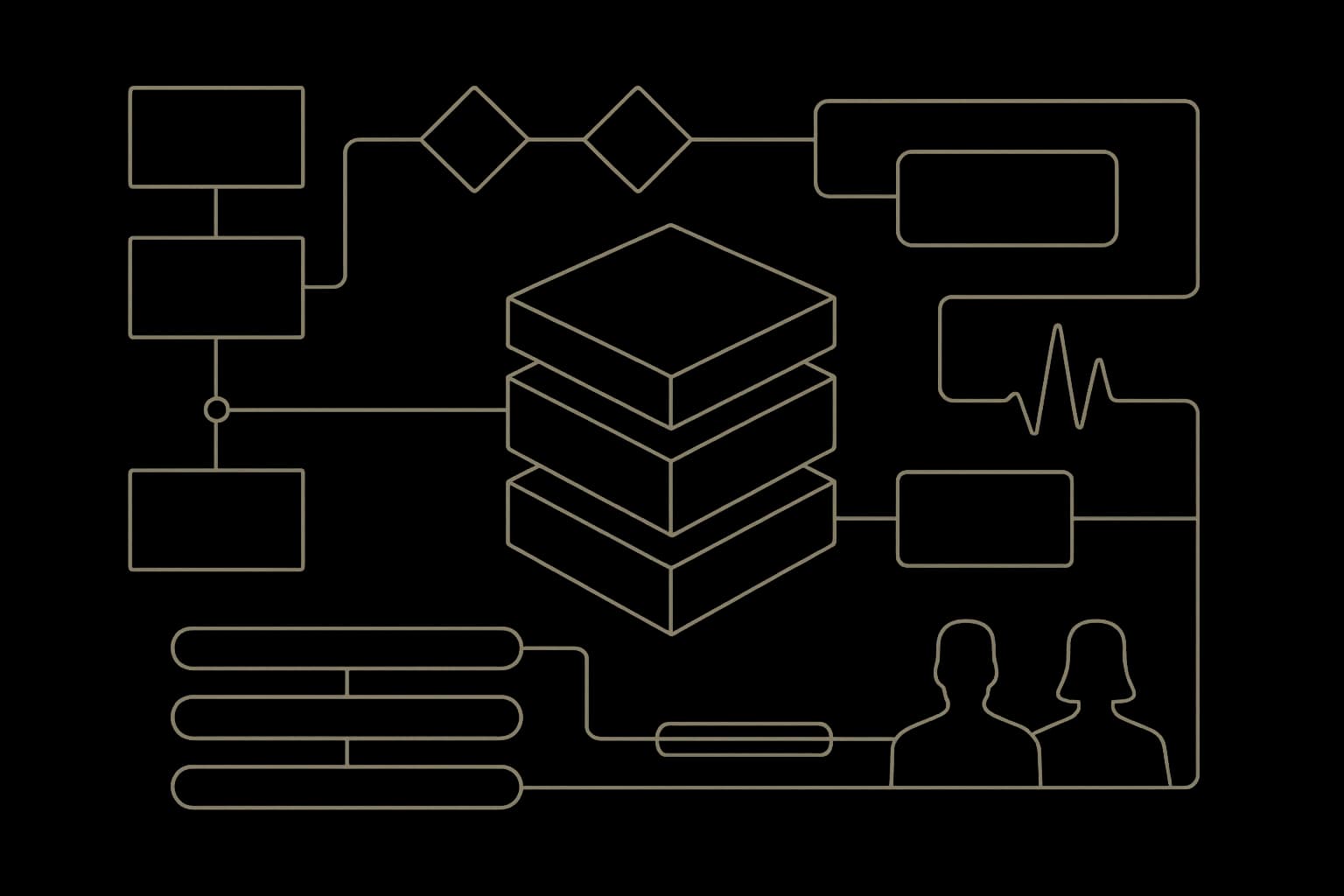
Custom Business Operating System vs SaaS
A custom business operating system starts with your workflow, data model, permissions, deployment, documentation, and improvement loop instead of a vendor assumption.
How to Reduce Construction RFQ Follow-Up Time
RFQ follow-up gets faster when requests, files, statuses, people, notes, and next actions live in one operating record.
Preserve Estimating Knowledge Before Handoff
Estimating knowledge becomes valuable when assumptions, exclusions, documents, decisions, and risk notes survive the handoff into operations.
Digitize Union Dispatch Without Losing Governance
Union dispatch can become digital without losing governance when contractor requests, member offers, referrals, review, and history are modeled as records.
Stop Business Knowledge From Living in Spreadsheets
Spreadsheets are useful, but business knowledge becomes fragile when approvals, owners, statuses, records, and next actions only live in cells.
Turn Field Notes Into Structured Records
Field notes become valuable when they become structured records with people, organizations, issues, commitments, owners, statuses, and next actions.
Custom Software vs SaaS Subscription Costs
SaaS looks cheaper at the start, but ownership can win when repeated subscriptions, workarounds, manual coordination, and lost domain memory become the real cost.
Managed Myte Environment vs Client-Owned Infrastructure
An owned system can be managed inside the Myte environment or deployed on client infrastructure when governance, control, and operating maturity require it.
Custom Operating System vs CRM
A CRM stores relationships. A custom operating system connects relationships to workflows, permissions, records, documents, actions, and business outcomes.
Why Integrations Alone Do Not Create Digital Autonomy
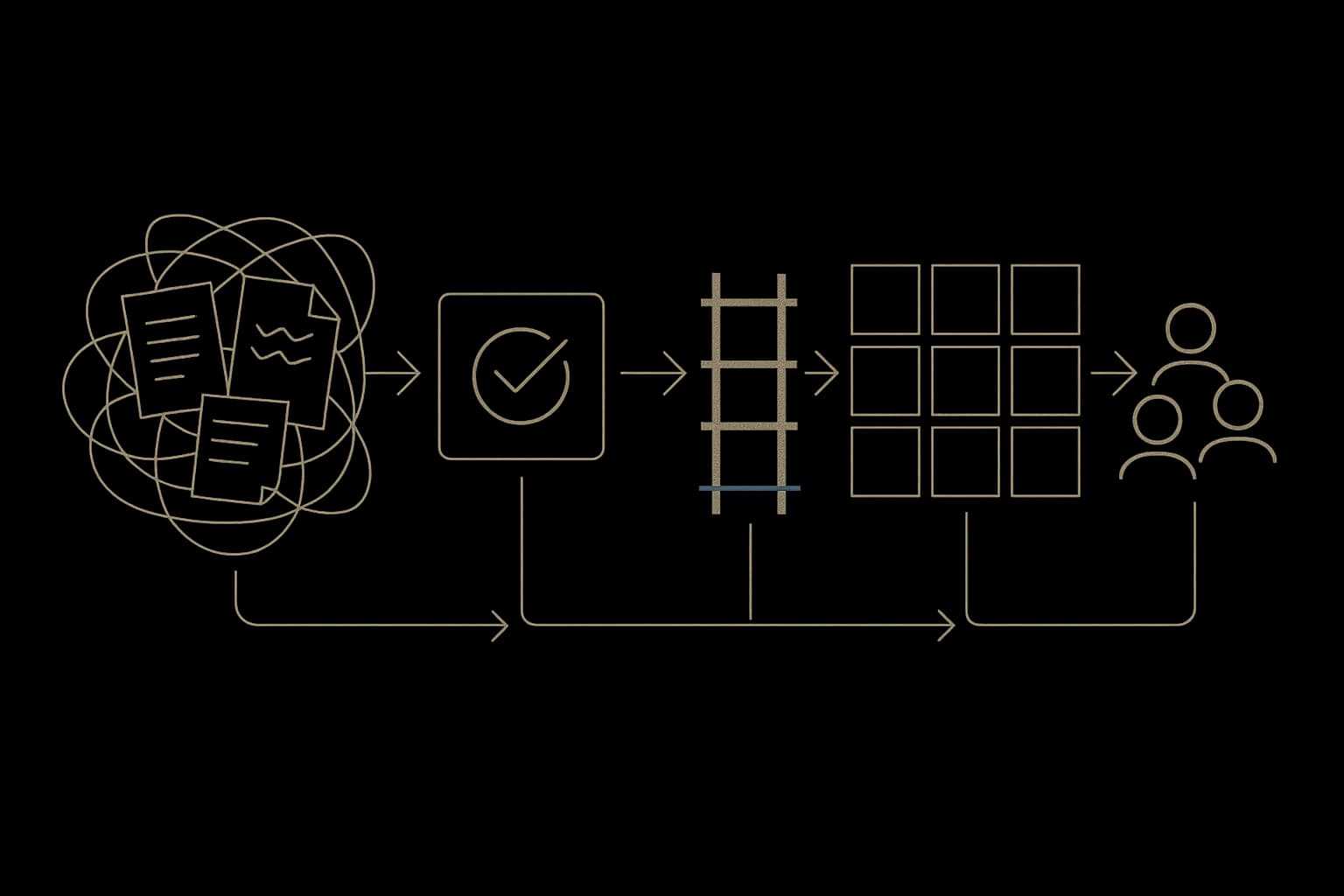
Integrations move data, but digital autonomy requires owned workflow models, records, permissions, documentation, deployment, and training.
Red Cedar Steel Operating System Case Study
Red Cedar Steel shows how sales, estimating, bid records, documents, follow-up, and field management can become one construction operating system.
Local 848 Dispatch Operating System Case Study
Local 848 Dispatch shows contractor requests, staff review, member offers, referrals, statuses, and history inside one governed operating workflow.
Local 29 Organizer and Market Recovery Case Study
Local 29 shows two connected operating systems: organizer memory for field campaigns and market recovery memory for contractors and opportunities.
Myte Estates Real Estate Operating System Case Study
Myte Estates shows property, unit, tenant, owner, document, task, maintenance, and visibility workflows becoming one real estate operating system.
CourtierXpert Buyer and Seller Journey Case Study
CourtierXpert shows how a sovereign real estate agent can own lead intake, buyer and seller journeys, website questions, email notifications, CRM follow-up, and client data.
Myte Cody Delivery Operating System Case Study
Myte Cody shows how ideas, missions, conversations, feedback, proof, code tools, and execution can stay connected from intake to production.
Myte Overwatch Operational Visibility Case Study
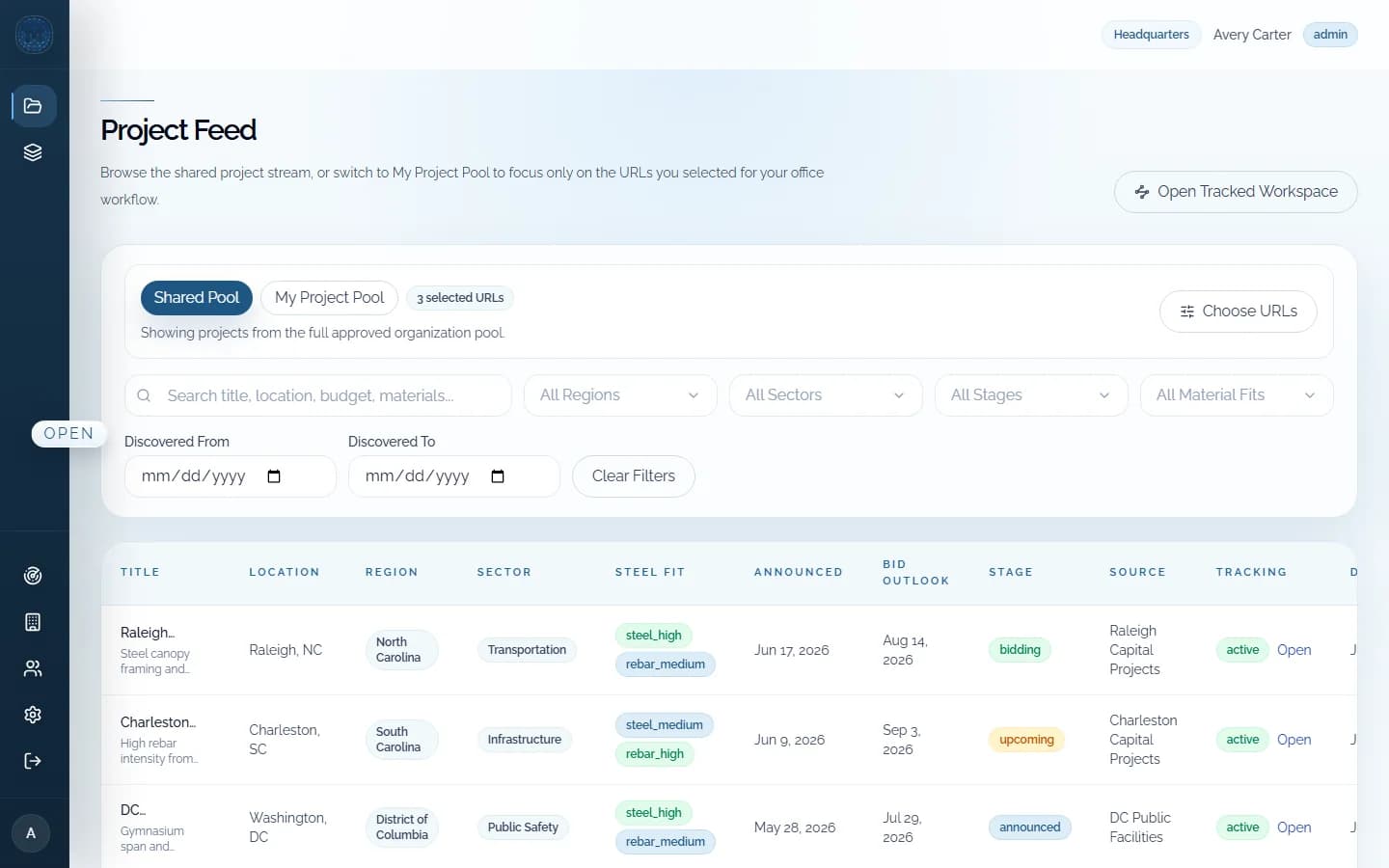
Myte Overwatch shows operational visibility as more than a monitoring wall: health, alerts, queues, evidence, owners, and next actions stay connected.
Start with one workflow worth owning.
If your business is paying for scattered tools, duplicative subscriptions, or unsupervised AI, start the Myte roadmap and turn the first workflow into owned software.