Owned Systems Library
Field notes from real operating systems we have built across construction, unions, healthcare, real estate, private AI, and owned technology stacks.
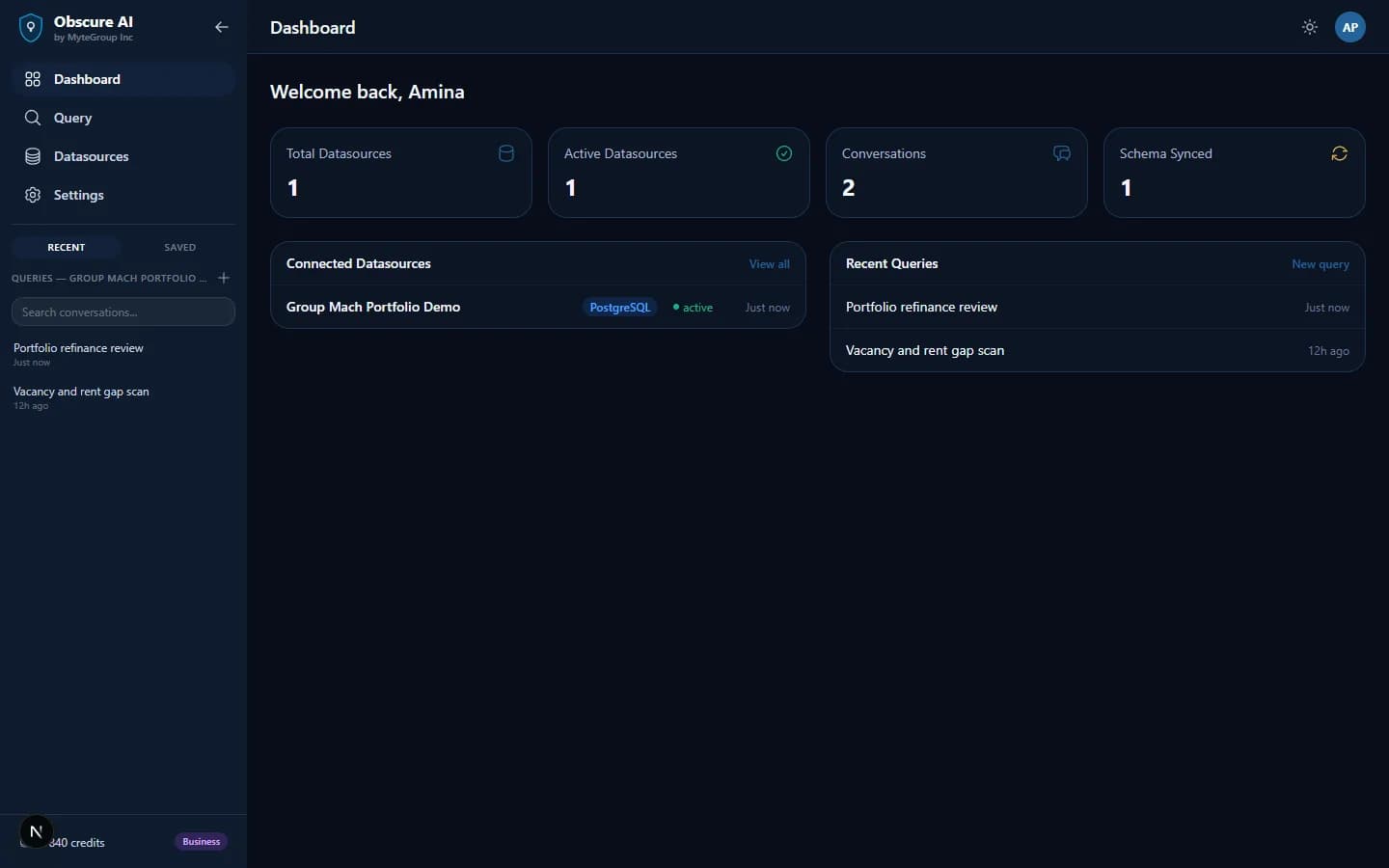
Private Inference Is an Operating Posture, Not a Model Choice
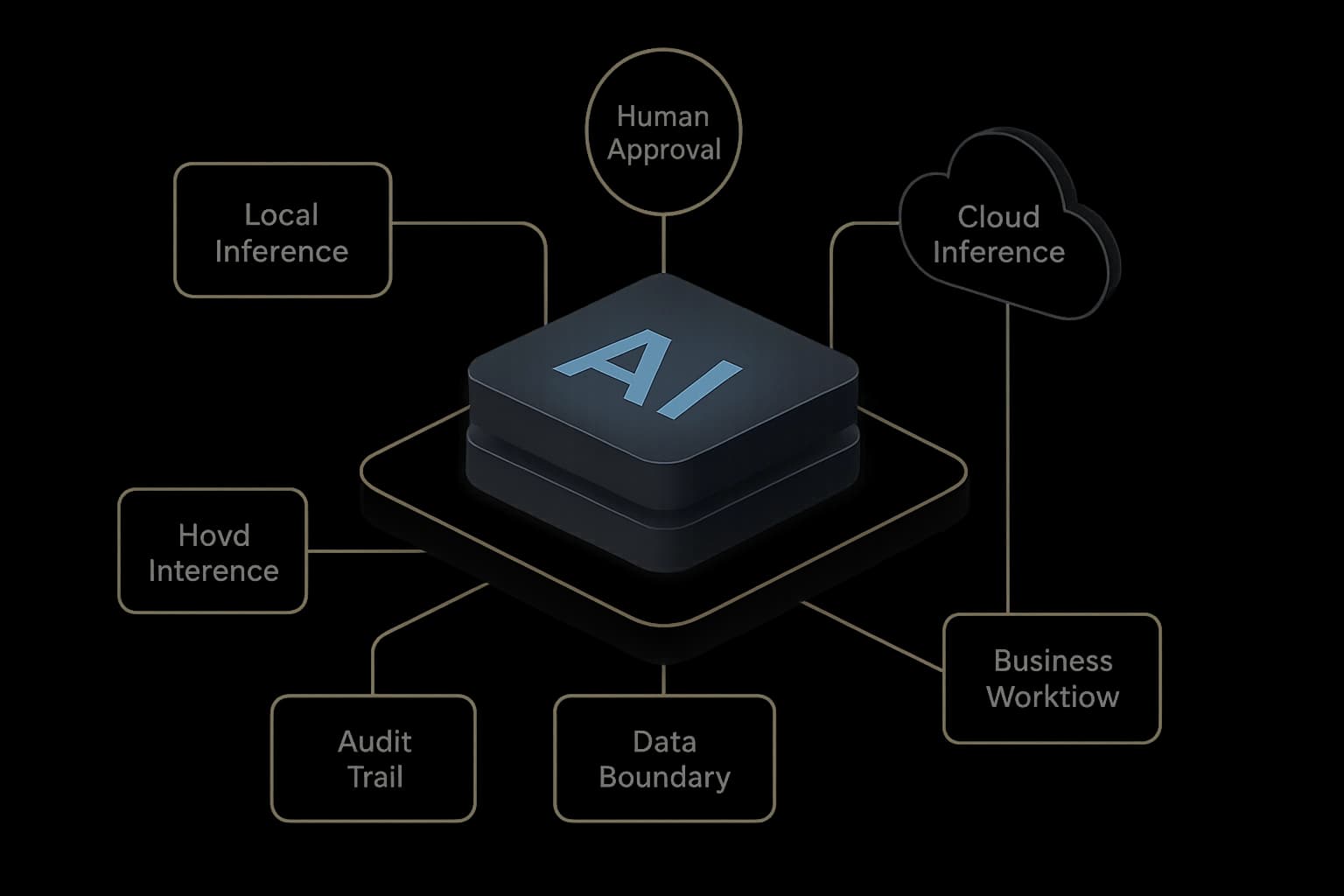
Private AI becomes real when the model path, data boundary, deployment environment, access rules, and workflow integration are designed together.
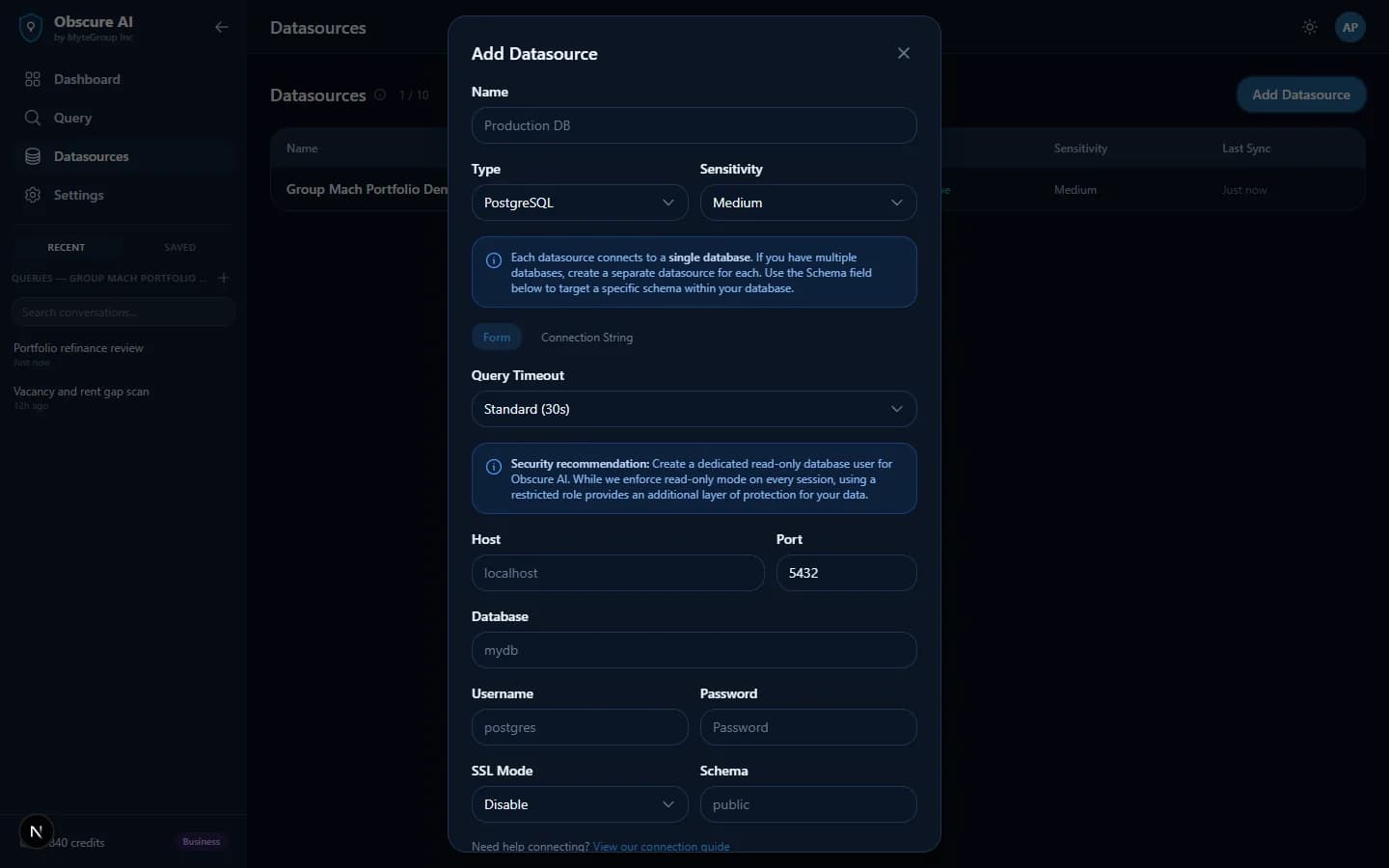
System proof: Obscure AI private inference workflow
Latest proof notes
Private AI Chatbot for Internal Databases
A private AI chatbot should let teams ask questions of structured data without exposing raw business data to uncontrolled models.
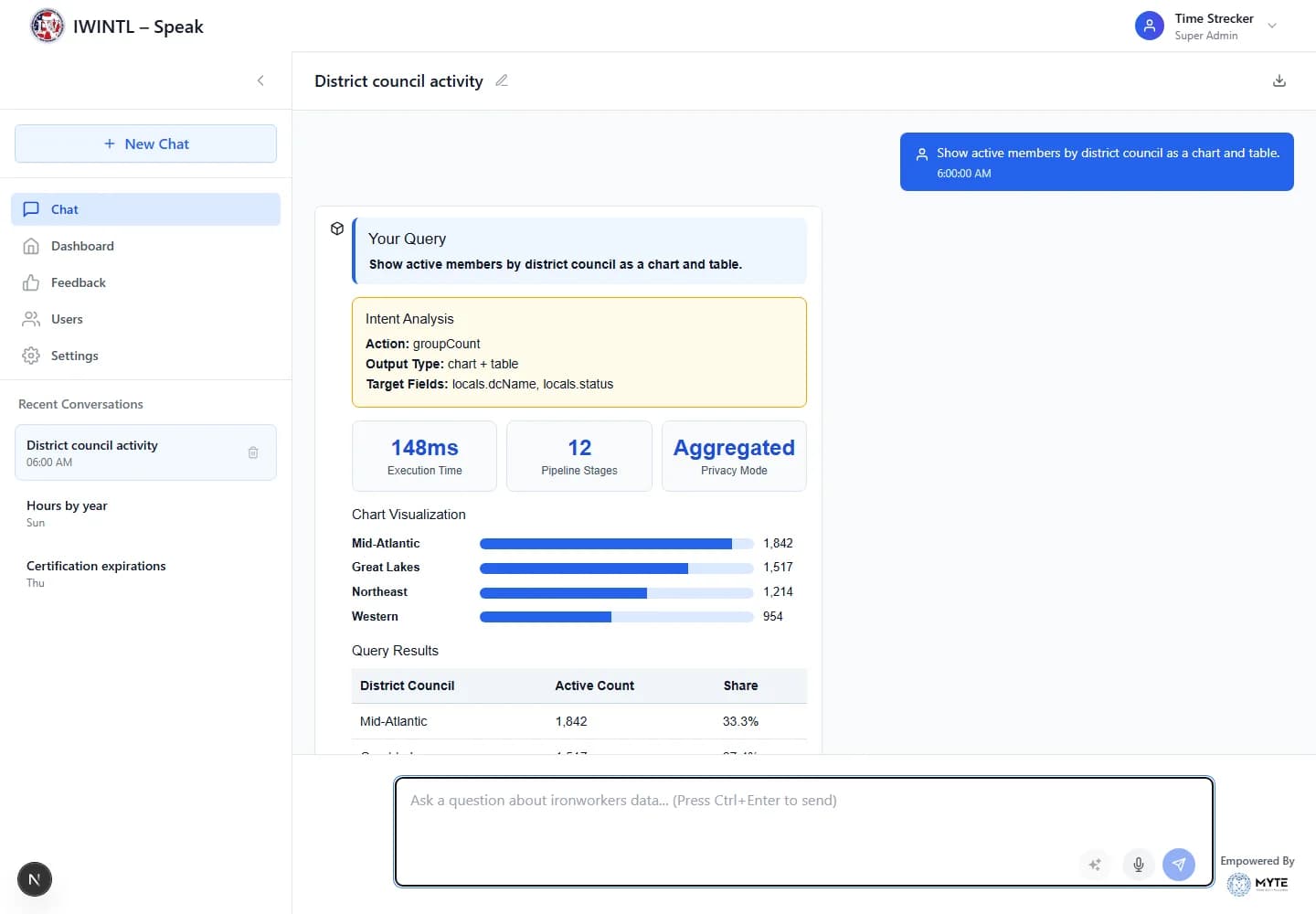
Ask Questions of Private Business Data Safely
Teams can ask natural-language questions of private business data when retrieval, permissions, charts, tables, and review are controlled by the system.
Build AI Workflows Without Exposing Client Data
AI workflows can protect client data when deployment, retrieval, permissions, logs, and human review are designed before prompts are written.
Private AI vs Public AI Tools for Business Data
Public AI tools can be useful, but sensitive business data needs explicit boundaries, controlled retrieval, permissions, review, and deployment choices.
Local Inference vs Cloud AI for Sensitive Workflows
Local inference can reduce recurring costs and data exposure when the workflow justifies control, deployment responsibility, and maintenance discipline.
IMPACT Private AI Chatbot Case Study
The IMPACT private AI chatbot shows how natural-language questions can return governed charts, tables, numbers, and explanations without exposing raw data to uncontrolled models.
Obscure AI Private Inference Case Study
Obscure AI shows private inference as a deployment posture: control where inference runs, how access is governed, and which workflows receive AI support.
Start with one workflow worth owning.
If your business is paying for scattered tools, duplicative subscriptions, or unsupervised AI, start the Myte roadmap and turn the first workflow into owned software.