Real Estate Operators Need One Memory for Properties, People, and Work
A real estate operating system connects properties, units, tenants, owners, documents, maintenance, tasks, and reporting in one owned workflow.
The operator moment
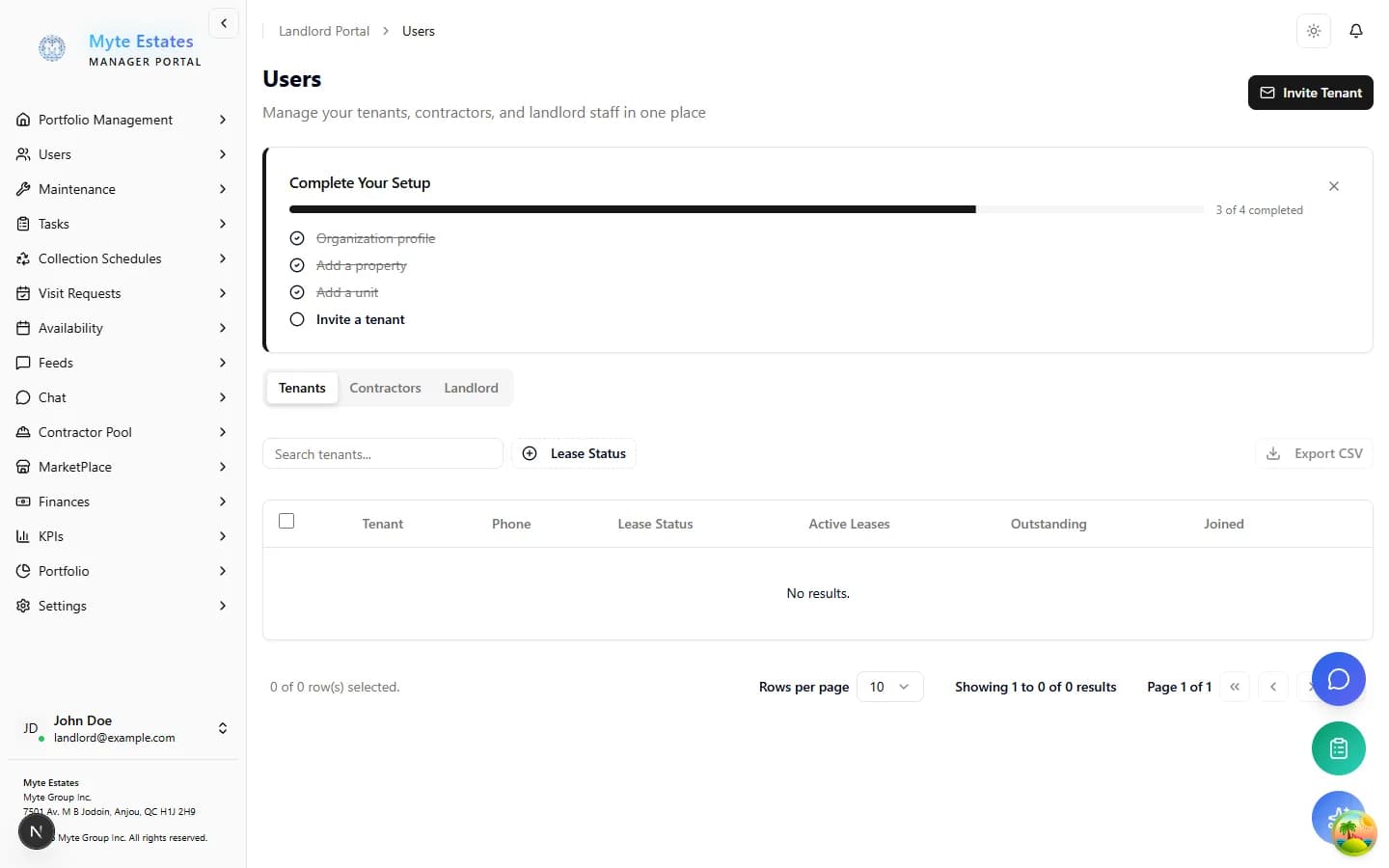
A manager wants to know what is happening with a unit, which document matters, what maintenance is open, who needs follow-up, and what an owner should see. The answer should not require searching five tools.
The hidden cost
The hidden cost is operational drag. Every disconnected record creates a small pause: find the lease, check the tenant, open the task, look for the file, ask for an update. Multiply that by every property and the cost becomes constant.
Property tools may cover accounting or listings, but an owned operating system can model the company actual reasoning: how documents, tasks, owners, tenants, maintenance, and decisions relate.
What changes when the system is owned
Workflow map
How to read the proof
The system should model property, unit, tenant, owner, document, task, maintenance, and activity relationships explicitly. That makes portals and AI support easier later because the data already reflects the business.
How Myte delivers it
- 1Map the property portfolio, actors, records, documents, maintenance states, and owner reporting needs.
- 2Build the first operating dashboard around properties, units, documents, tasks, and follow-up.
- 3Train operators to keep the system as the source of operating memory.
- 4Extend into owner portals, tenant flows, reporting, automation, and AI retrieval.
Buyer checklist
Why this belongs in your operating system
Myte builds real estate systems around the operator memory. The goal is not to copy a generic property app, but to make the specific business logic durable and easier to run.
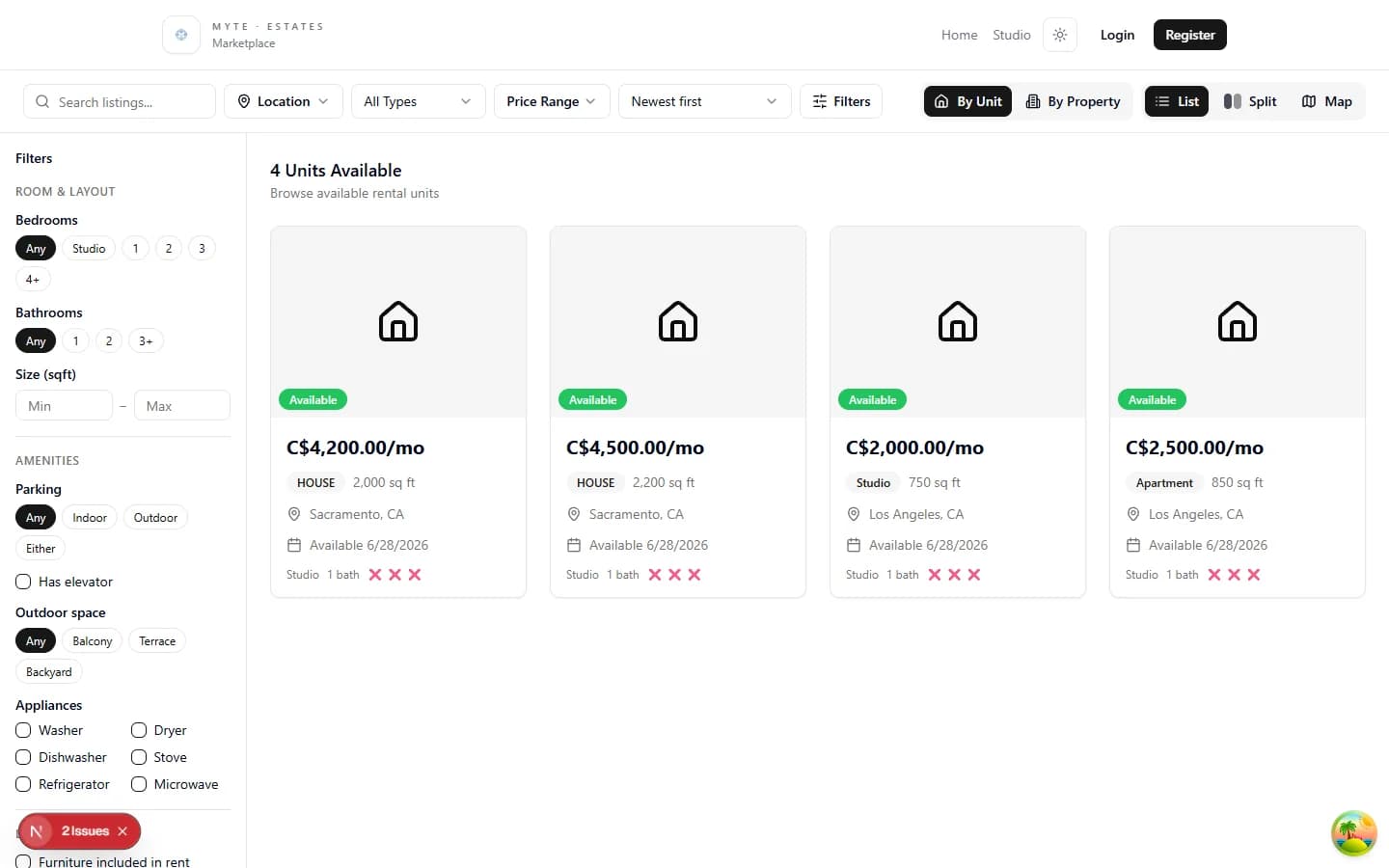
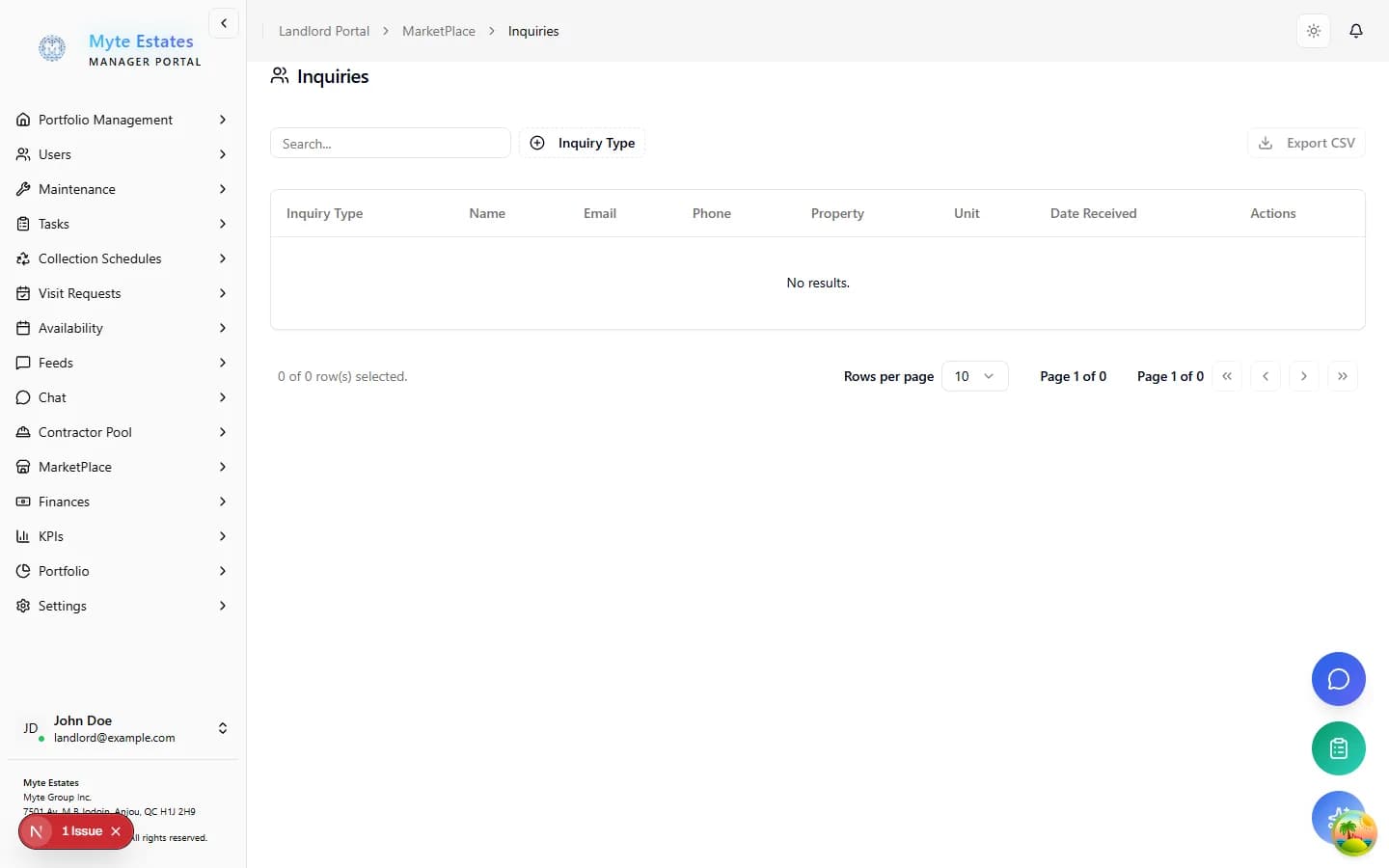
Approved screenshots and workflow examples that show how the operating model works in practice.
Questions operators ask
What is a real estate operating system?
Owned software that connects properties, units, tenants, owners, documents, tasks, maintenance, and reporting around the operator workflow.
Can it include owner portals?
Yes. Owner visibility can be added once the internal operating records are reliable.
Can it replace spreadsheets?
It can replace the workflows that spreadsheets are currently holding together.
Can AI help with property questions?
Yes, after the property data model is structured and governed.
Where should implementation start?
Start with the records and tasks that operators touch every week.
Related field notes
Buyer and Seller Journeys Should Become the Real Estate Agent Operating System
Independent real estate agents need lead intake, buyer and seller journeys, CRM follow-up, website questions, and data ownership in one foundation.
Read noteOwn Your Stack: White-Glove Build Today, Self-Serve Power Tomorrow
Myte builds the operating system with you first, then leaves your organization with the documentation, deployment model, and ownership path to keep extending it.
Read noteMyte Cody Turns Ideas Into Production Operating Systems
Cody is the delivery operating layer that keeps client intent, missions, conversations, feedback, proof, code, and handoff connected.
Read noteBuild your owned operating system with Myte
Start with one workflow your team already understands, then turn it into software your business owns.