Property Management Operating System
A property management operating system should connect owners, units, tenants, documents, maintenance, tasks, and visibility in one owned workflow.
The operator moment
A real estate operator feels the pain when asset memory, task ownership, document retrieval, and maintenance handoff has to be reconstructed during active work. The operating question is not whether software can be added. It is whether the business can trust the records, decisions, and next actions when the day is moving quickly.
The hidden cost
The visible cost in a property management operating system workflow is delay. The deeper cost is that leads, contacts, properties, units, owners, tenants, documents, tasks, and follow-up never become durable enough for reporting, training, ownership, or future AI. The hidden cost compounds because every missing record creates another meeting, another export, another message, or another person rebuilding context from memory.
A template website or generic CRM can help with one piece of property management operating system, but it does not own the whole workflow or the business-specific decision path. Generic tools may store part of the work, but they rarely model the operating relationship between leads, contacts, properties, units, owners, tenants, documents, tasks, and follow-up, permissions, responsibilities, and accountability.
What changes when the system is owned
Workflow map
How to read the proof
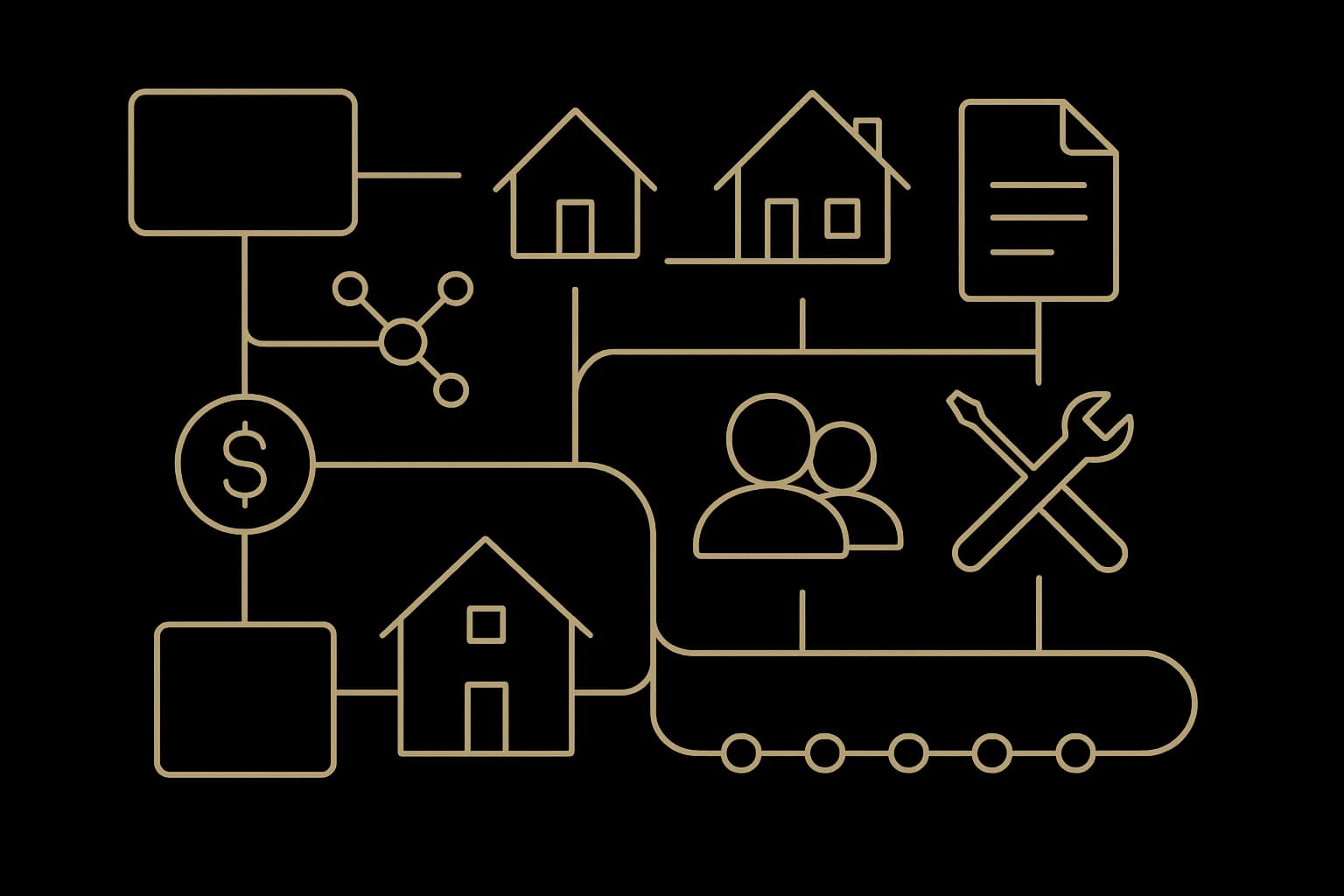
The system should model relationships between people, properties, documents, tasks, statuses, and ownership visibility. For property management operating system, that means property records, unit records, tenant context, documents, maintenance tasks, and owner view must stay connected to properties, owners, units, tenants, documents, maintenance, and owner visibility. The architecture should make records, roles, actions, timestamps, and permissions explicit so the system can support reporting, audit, and future AI without losing control.
How Myte delivers it
- 1Map the current workflow, actors, records, language, approval points, and data sources before software decisions are made.
- 2Build the first production release around property records, unit records, tenant context, documents, maintenance tasks, and owner view so the team can test value quickly.
- 3Train operators with the system open and adjust wording, status, permissions, and responsibilities until the workflow feels native.
- 4Extend reporting, private AI, integrations, documentation, and managed deployment after adoption is visible.
Buyer checklist
Why this belongs in your operating system
Myte builds real estate systems around relationship and property memory that stays owned by the business. The ownership target is property records, unit records, tenant context, documents, maintenance tasks, and owner view. Myte builds from the workflow foundation up, then supports documentation, training, deployment, and maintenance so ownership becomes practical instead of theoretical.
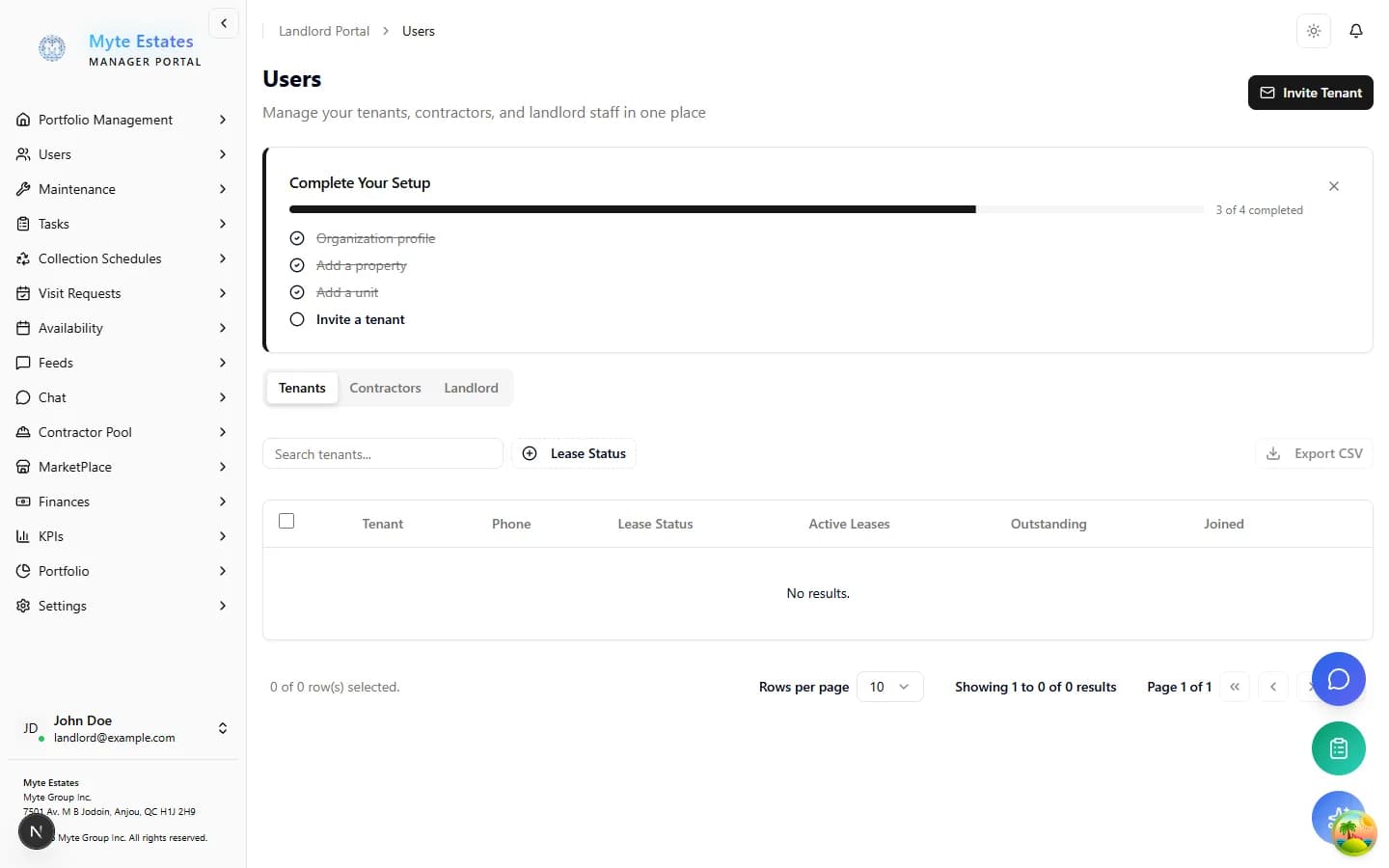
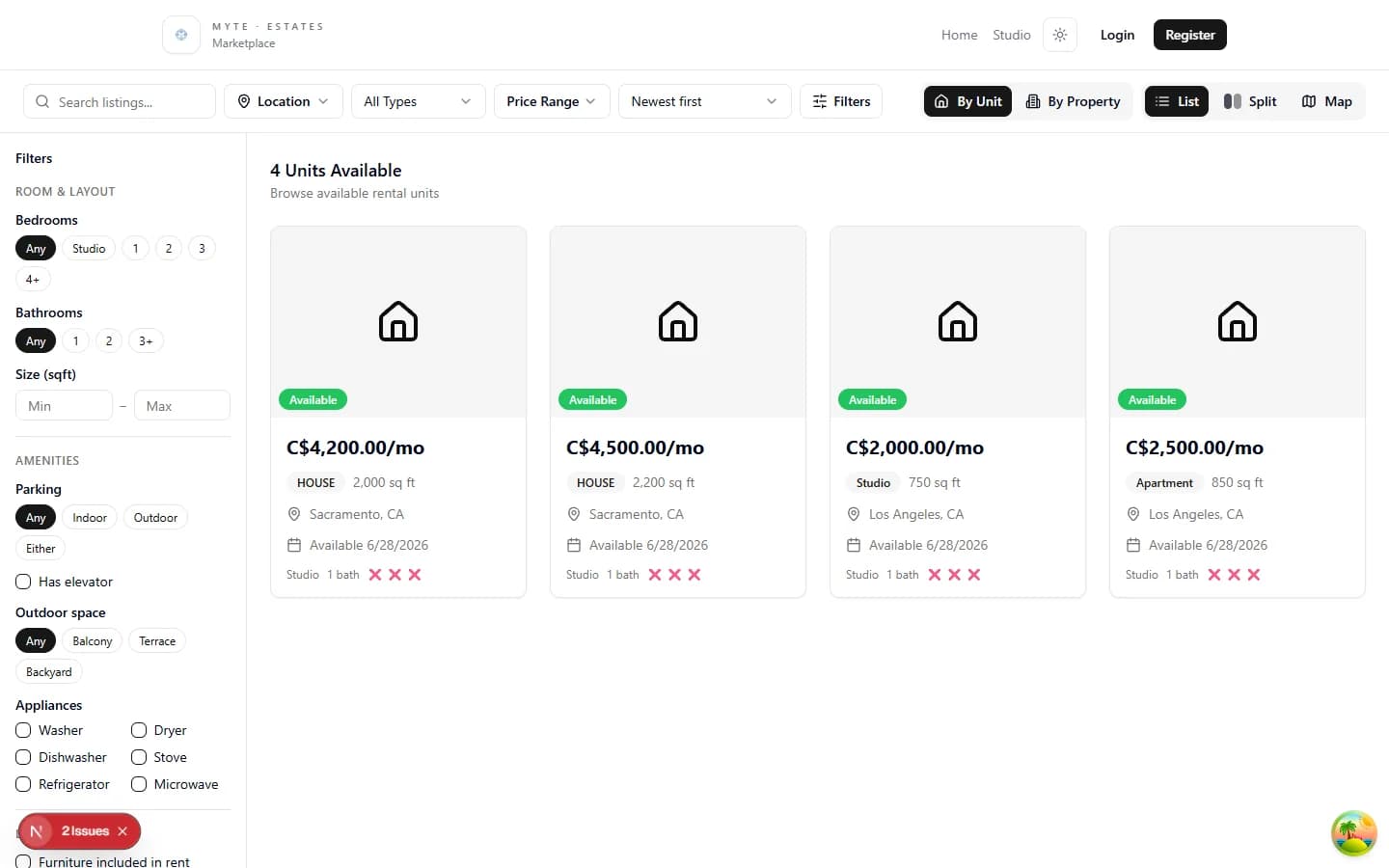
Approved screenshots and workflow examples that show how the operating model works in practice.
Questions operators ask
What is property management operating system?
property management operating system is an owned software approach for property management operating system. It connects the workflow, records, decisions, and review path instead of leaving the work across disconnected tools.
Who is this for?
It is for teams that already know the work but need properties, owners, units, tenants, documents, maintenance, and owner visibility to become structured, visible, and easier to maintain.
How is this different from SaaS?
SaaS starts with a vendor workflow. A Myte operating system starts with the business workflow and builds the data model, permissions, deployment, and ownership responsibilities around it.
Can AI be included safely?
Yes, when the data boundary, review path, and deterministic records are designed first. AI should assist the workflow instead of becoming the source of truth.
What is the first step?
Start with one workflow under pressure, define the records and actors, ship a production release, then expand after operators trust it.
Related field notes
Real Estate CRM for Independent Agents
A real estate CRM for independent agents should preserve leads, buyer and seller journeys, property memory, follow-up, and ownership beyond any brokerage tool.
Read noteWhat a Structural Steel Operating System Actually Owns
Steel work gets expensive when bid context, documents, follow-up, and field handoff live in too many places. An owned operating system keeps the story of the job together.
Read noteWhat a Union Dispatch Operating System Must Make Visible
Dispatch is not only a queue. It is a trust workflow between contractor requests, staff review, member offers, referrals, and accountable follow-up.
Read noteBuild your owned operating system with Myte
Start with one workflow your team already understands, then turn it into software your business owns.