Owned Systems Library
Field notes from real operating systems we have built across construction, unions, healthcare, real estate, private AI, and owned technology stacks.
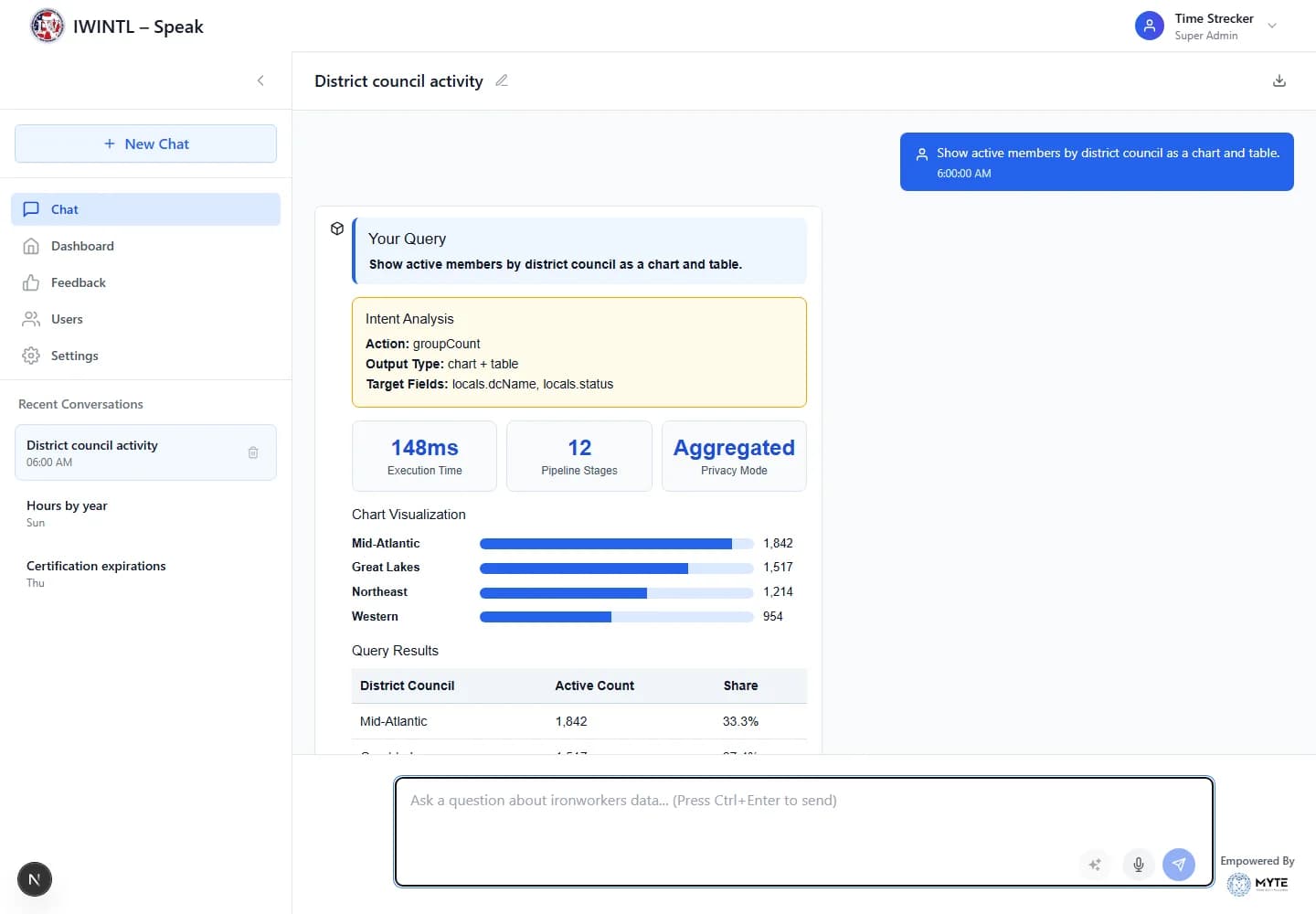
Private AI for Union Data Is Not a Chatbot. It Is a Trust Boundary.
A useful union AI system lets leaders ask simple questions while keeping real data behind governed retrieval, normalization, permissions, and deterministic server logic.
System proof: Ironworkers IMPACT private chatbot workflow
Latest proof notes
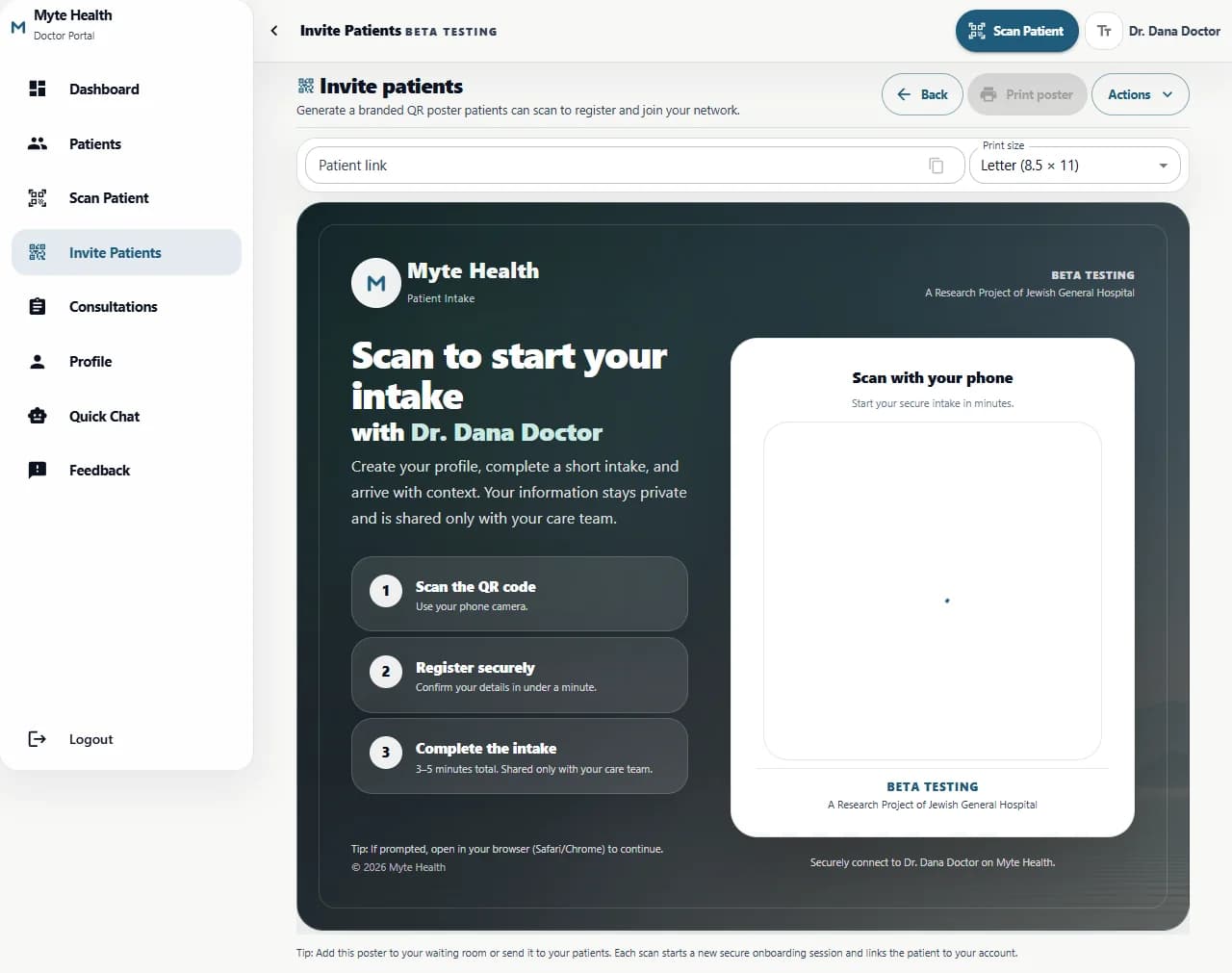
Healthcare Intake Software Should Reduce Noise Before the Consultation
A patient intake system becomes valuable when registration, questionnaires, pain maps, voice answers, doctor review, and consultation drafts form one clinical workflow.
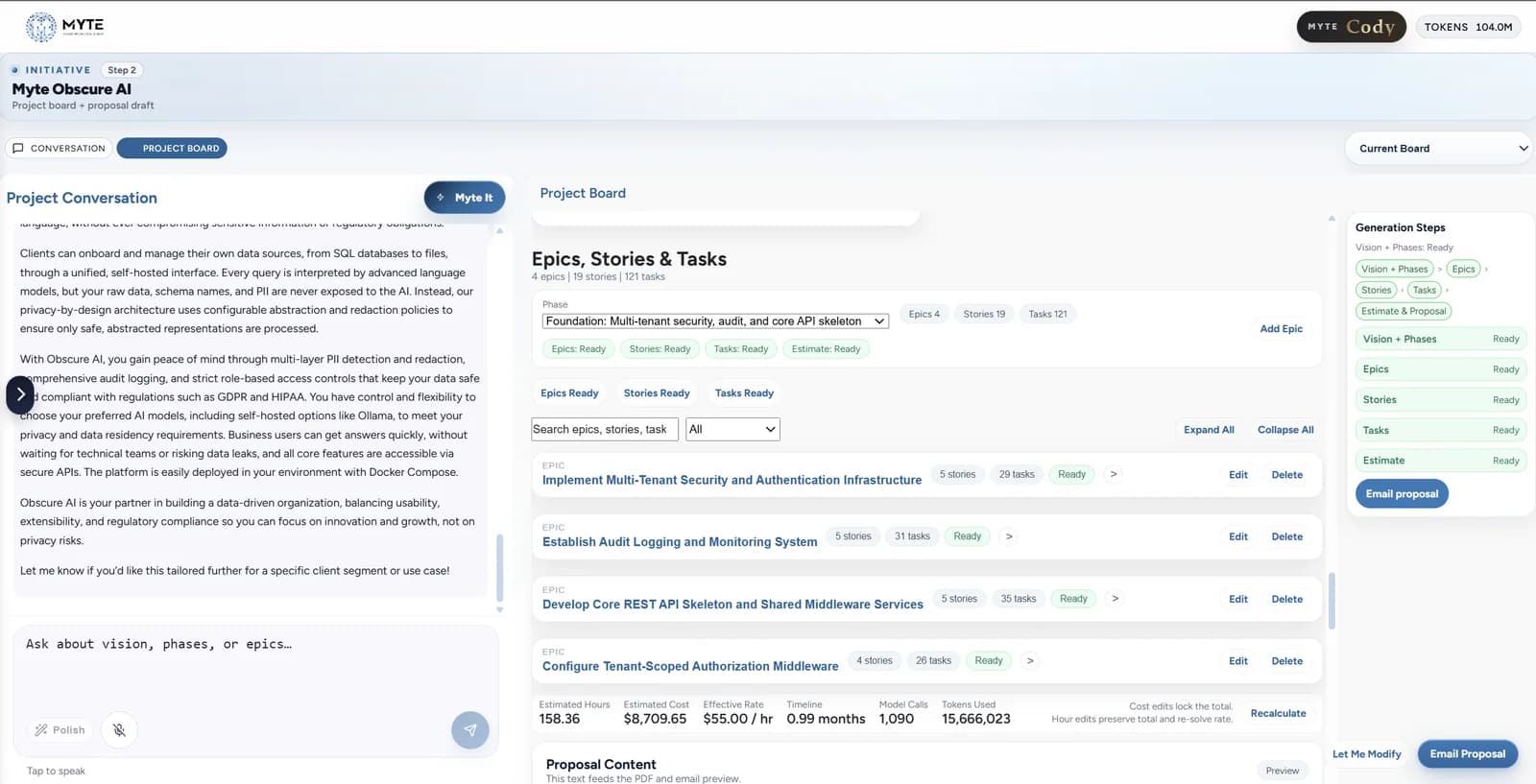
Own Your Stack: White-Glove Build Today, Self-Serve Power Tomorrow
Myte builds the operating system with you first, then leaves your organization with the documentation, deployment model, and ownership path to keep extending it.
Deterministic Retrieval Is How Private AI Earns Trust
Private AI becomes trustworthy when plain-language questions trigger validated retrieval paths, not uncontrolled model guesses.
AI Profile Summaries in Healthcare Need an Edit Path
AI summaries help clinicians only when the source answers remain visible and the doctor can review, edit, approve, or ignore the draft.
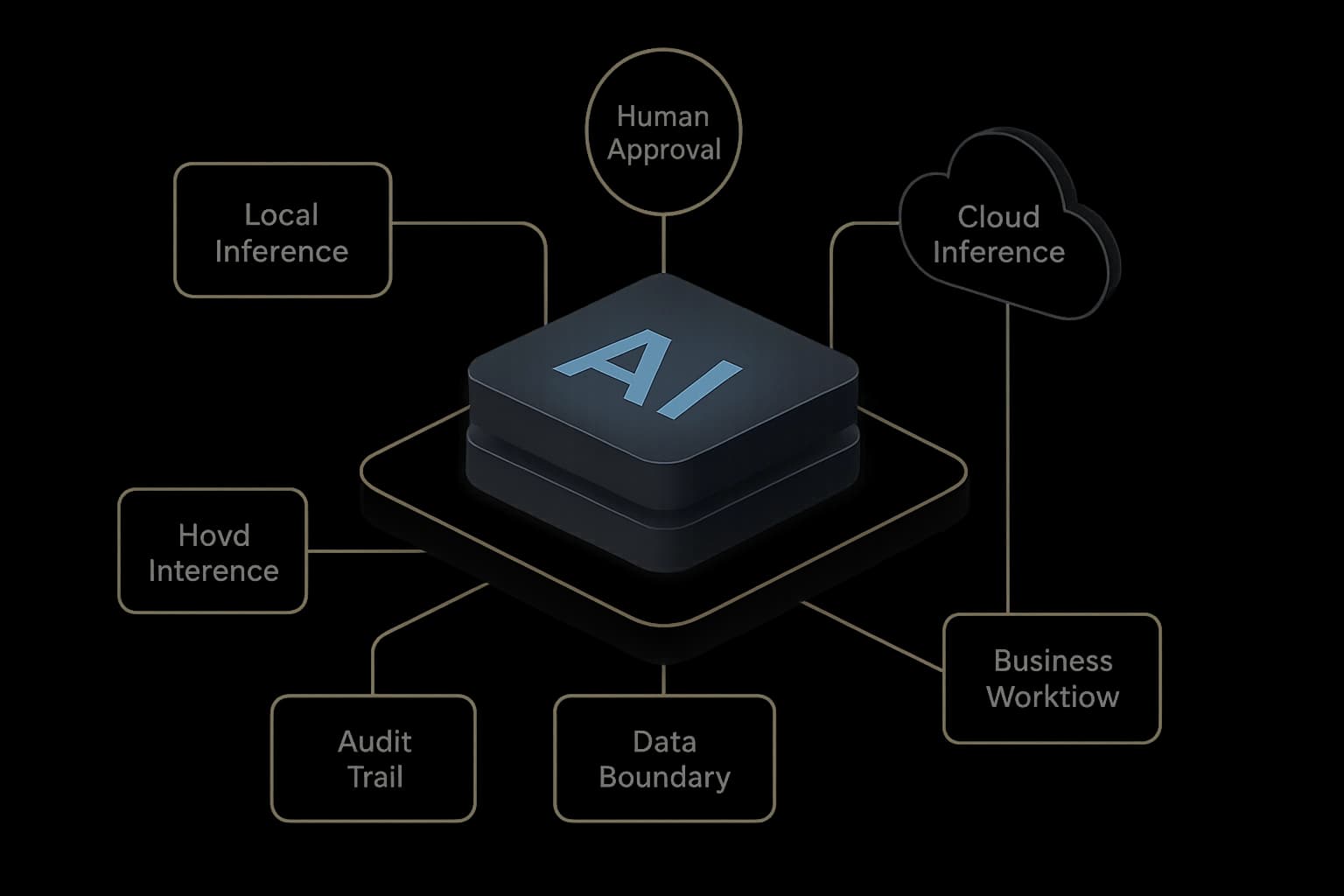
Private Inference Is an Operating Posture, Not a Model Choice
Private AI becomes real when the model path, data boundary, deployment environment, access rules, and workflow integration are designed together.
Private AI Chatbot for Internal Databases
A private AI chatbot should let teams ask questions of structured data without exposing raw business data to uncontrolled models.
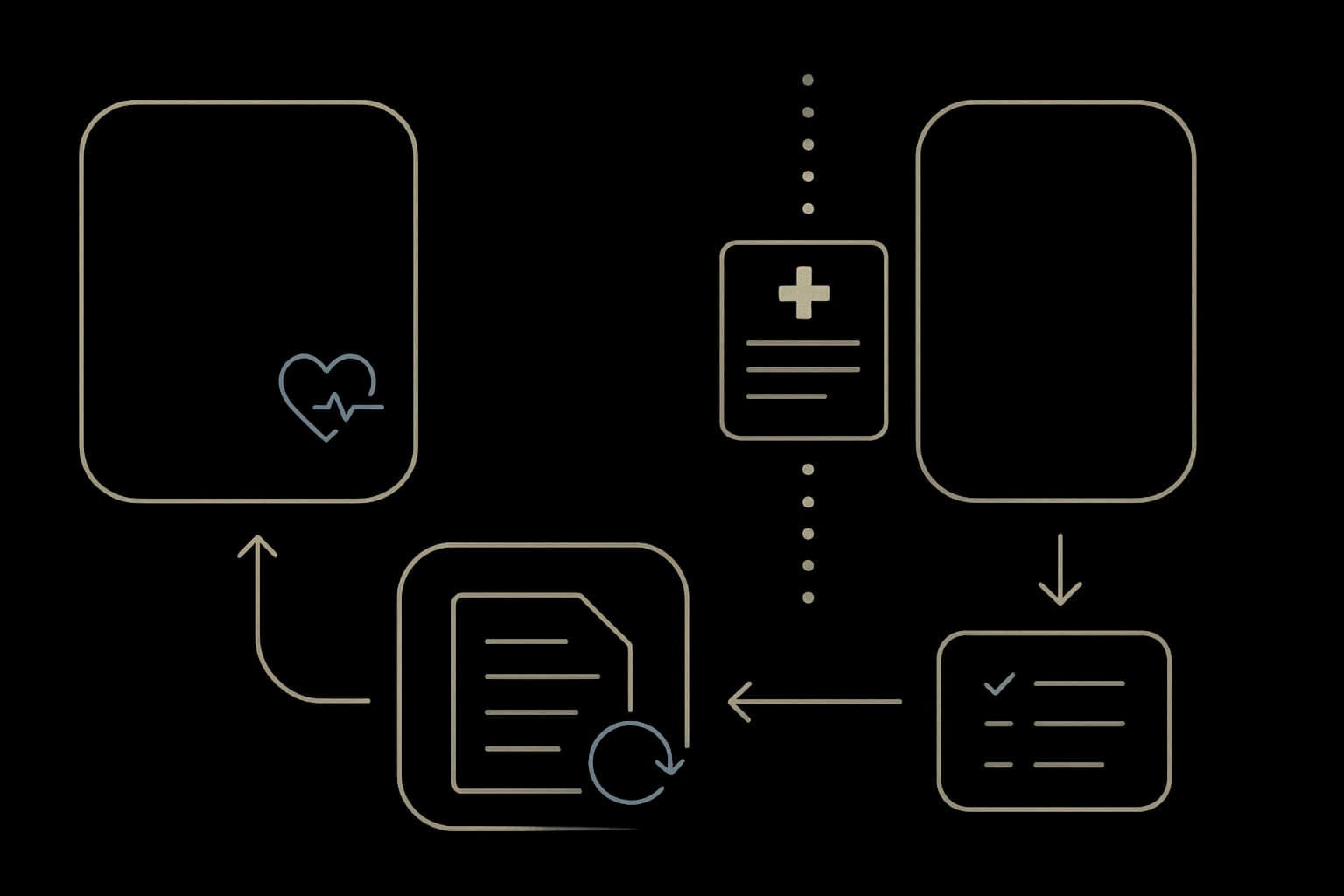
Healthcare Intake Software With Doctor Review
Healthcare intake software should structure patient answers while keeping doctors in control of review, edits, and final consultation output.
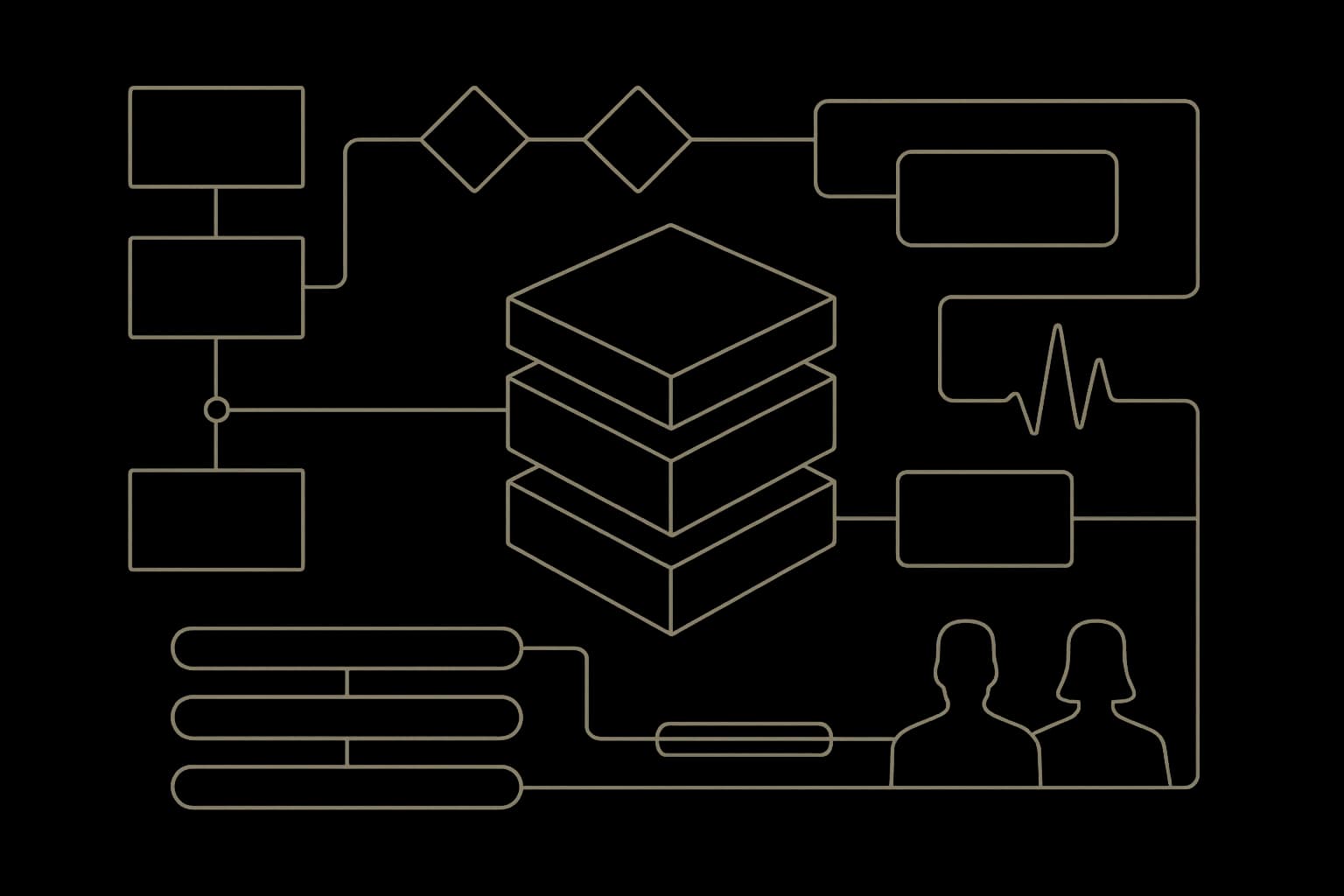
Custom Business Operating System vs SaaS
A custom business operating system starts with your workflow, data model, permissions, deployment, documentation, and improvement loop instead of a vendor assumption.
Ask Questions of Private Business Data Safely
Teams can ask natural-language questions of private business data when retrieval, permissions, charts, tables, and review are controlled by the system.
Automate Clinical Intake Without Replacing Clinician Review
Clinical intake automation should structure patient answers, signals, summaries, and drafts while keeping clinician review, edits, and finalization explicit.
Stop Business Knowledge From Living in Spreadsheets
Spreadsheets are useful, but business knowledge becomes fragile when approvals, owners, statuses, records, and next actions only live in cells.
Build AI Workflows Without Exposing Client Data
AI workflows can protect client data when deployment, retrieval, permissions, logs, and human review are designed before prompts are written.
Custom Software vs SaaS Subscription Costs
SaaS looks cheaper at the start, but ownership can win when repeated subscriptions, workarounds, manual coordination, and lost domain memory become the real cost.
Private AI vs Public AI Tools for Business Data
Public AI tools can be useful, but sensitive business data needs explicit boundaries, controlled retrieval, permissions, review, and deployment choices.
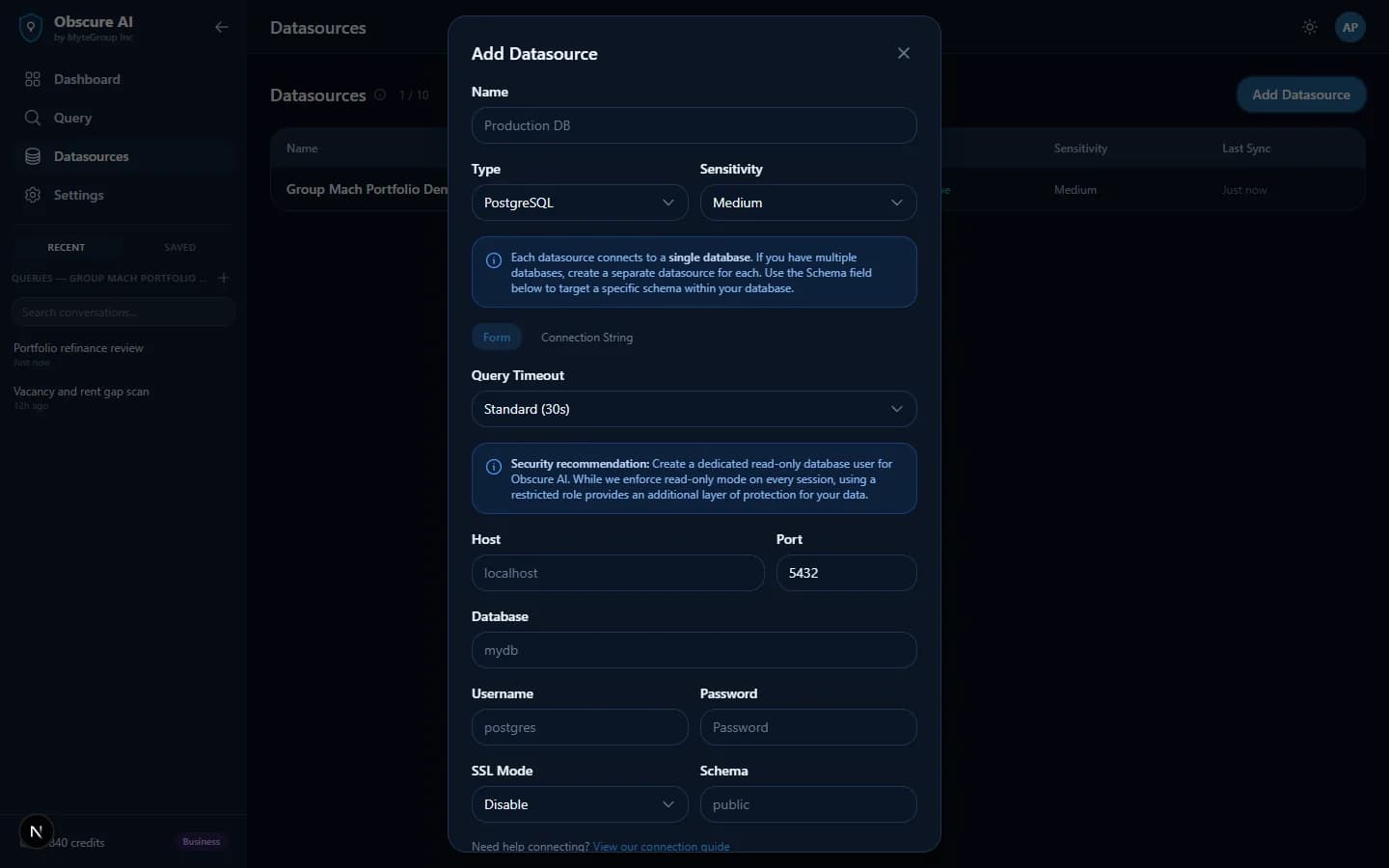
Local Inference vs Cloud AI for Sensitive Workflows
Local inference can reduce recurring costs and data exposure when the workflow justifies control, deployment responsibility, and maintenance discipline.
Managed Myte Environment vs Client-Owned Infrastructure
An owned system can be managed inside the Myte environment or deployed on client infrastructure when governance, control, and operating maturity require it.
Custom Operating System vs CRM
A CRM stores relationships. A custom operating system connects relationships to workflows, permissions, records, documents, actions, and business outcomes.
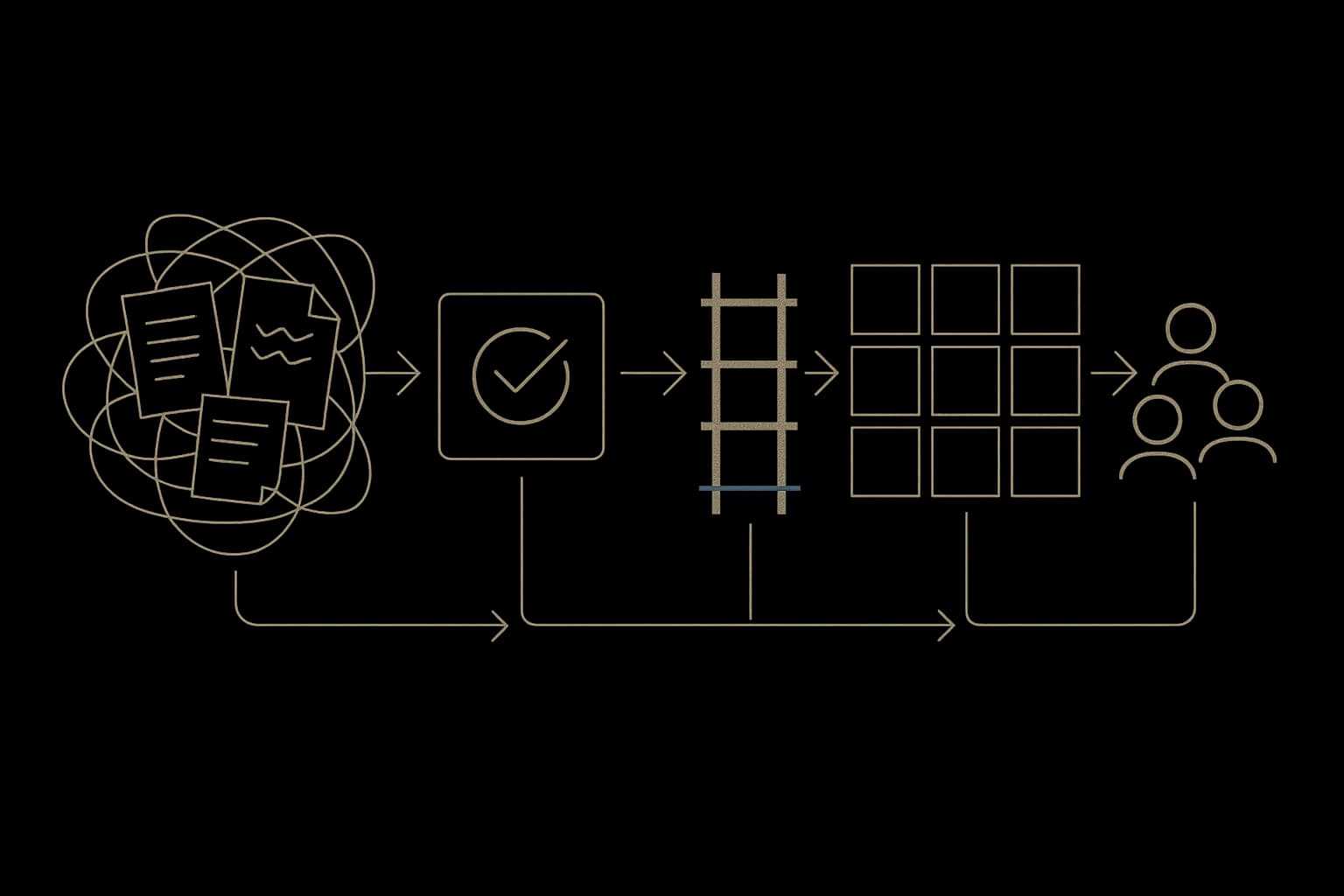
Why Integrations Alone Do Not Create Digital Autonomy
Integrations move data, but digital autonomy requires owned workflow models, records, permissions, documentation, deployment, and training.
IMPACT Private AI Chatbot Case Study
The IMPACT private AI chatbot shows how natural-language questions can return governed charts, tables, numbers, and explanations without exposing raw data to uncontrolled models.
Health Connect Clinical Intake Case Study
Health Connect shows QR registration, OTP verification, questionnaire categories, Sarc-F, G8, distress signaling, pain map, doctor review, and consultation finalization in one workflow.
Obscure AI Private Inference Case Study
Obscure AI shows private inference as a deployment posture: control where inference runs, how access is governed, and which workflows receive AI support.
Myte Cody Delivery Operating System Case Study
Myte Cody shows how ideas, missions, conversations, feedback, proof, code tools, and execution can stay connected from intake to production.
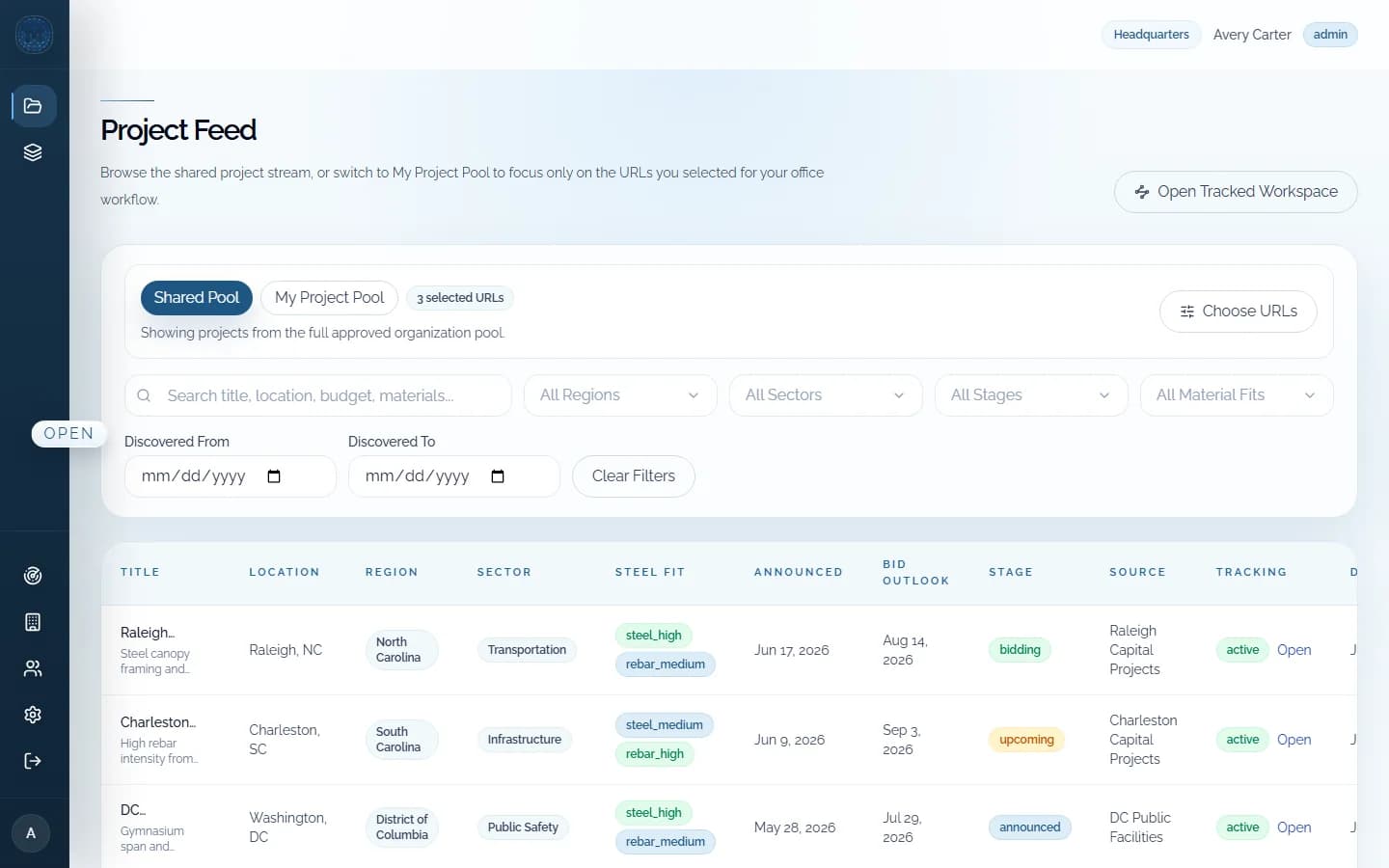
Myte Overwatch Operational Visibility Case Study
Myte Overwatch shows operational visibility as more than a monitoring wall: health, alerts, queues, evidence, owners, and next actions stay connected.
Start with one workflow worth owning.
If your business is paying for scattered tools, duplicative subscriptions, or unsupervised AI, start the Myte roadmap and turn the first workflow into owned software.