Private Inference Is an Operating Posture, Not a Model Choice
Private AI becomes real when the model path, data boundary, deployment environment, access rules, and workflow integration are designed together.
The operator moment
A company wants AI, but the data is sensitive, the workflow is specific, and leadership does not want another black-box subscription. The right question becomes: how do we get useful AI while preserving control of the environment and the operating logic?
The hidden cost
The hidden cost of public-first AI is loss of boundary clarity. Teams may not know where prompts go, what data was included, how outputs are stored, or whether the workflow can be reproduced later. That uncertainty limits adoption.
Generic AI tools optimize for easy access. Private inference optimizes for control: deployment environment, data boundary, permissions, logs, model route, and integration with owned workflows.
What changes when the system is owned
Workflow map
How to read the proof
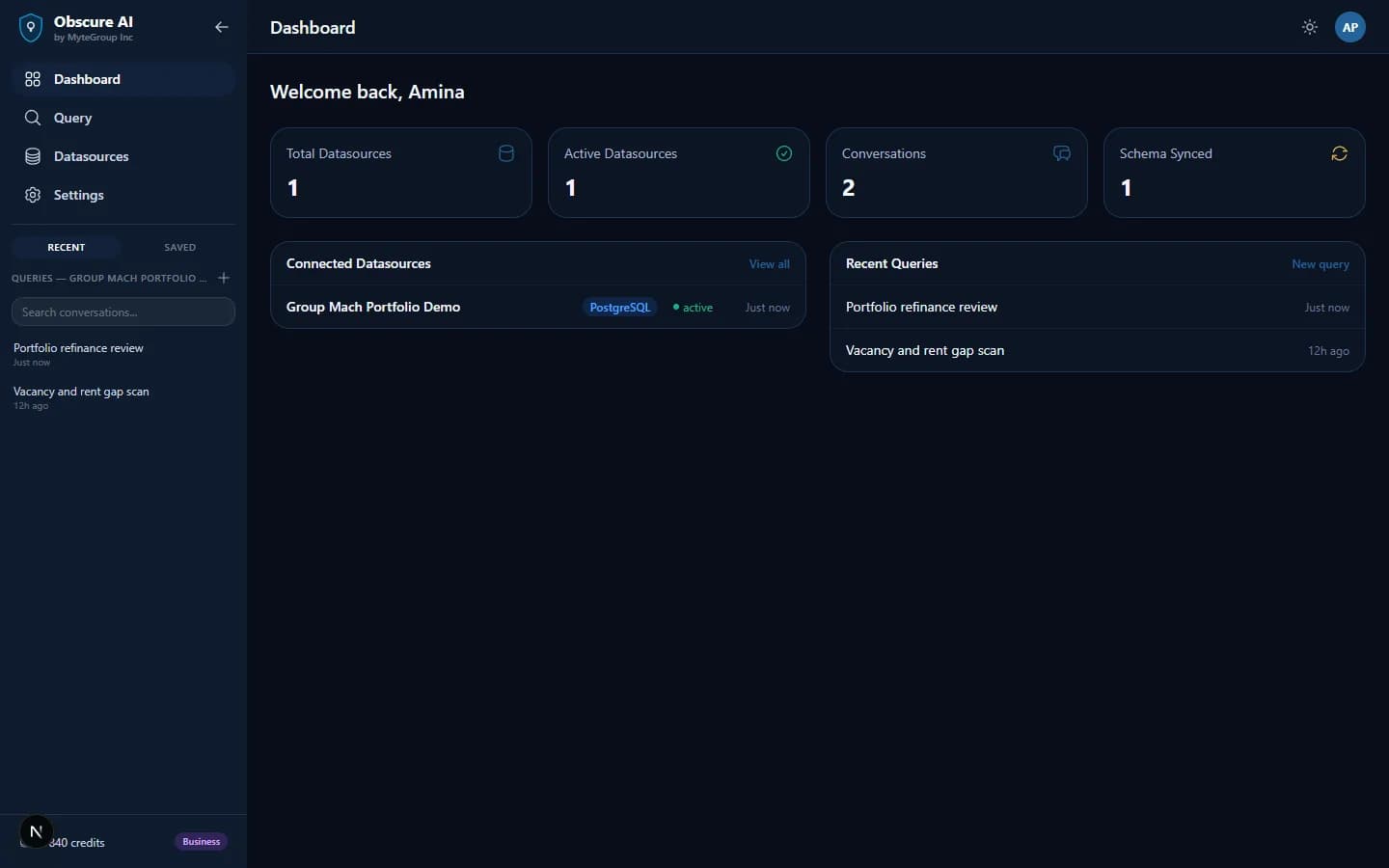
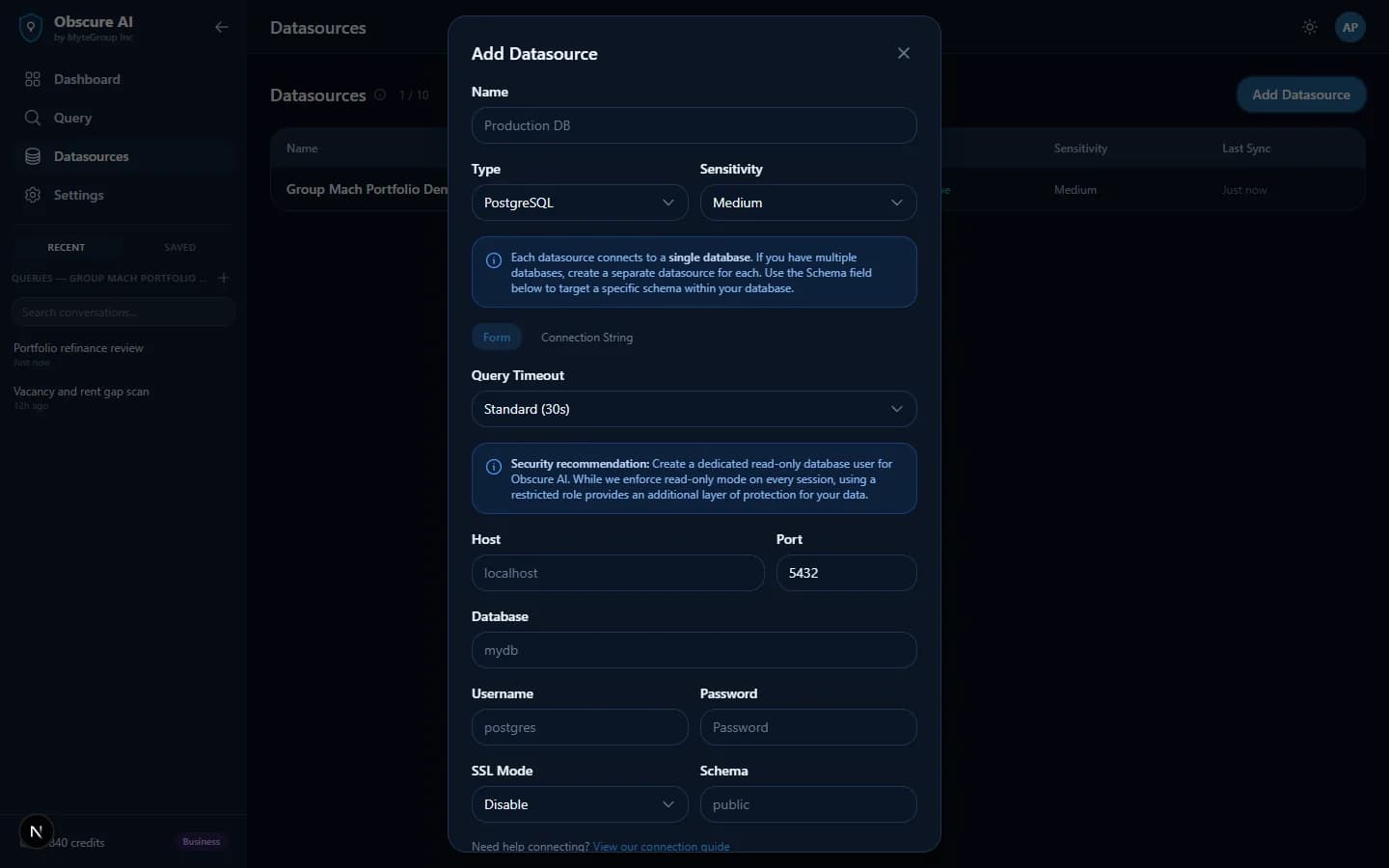
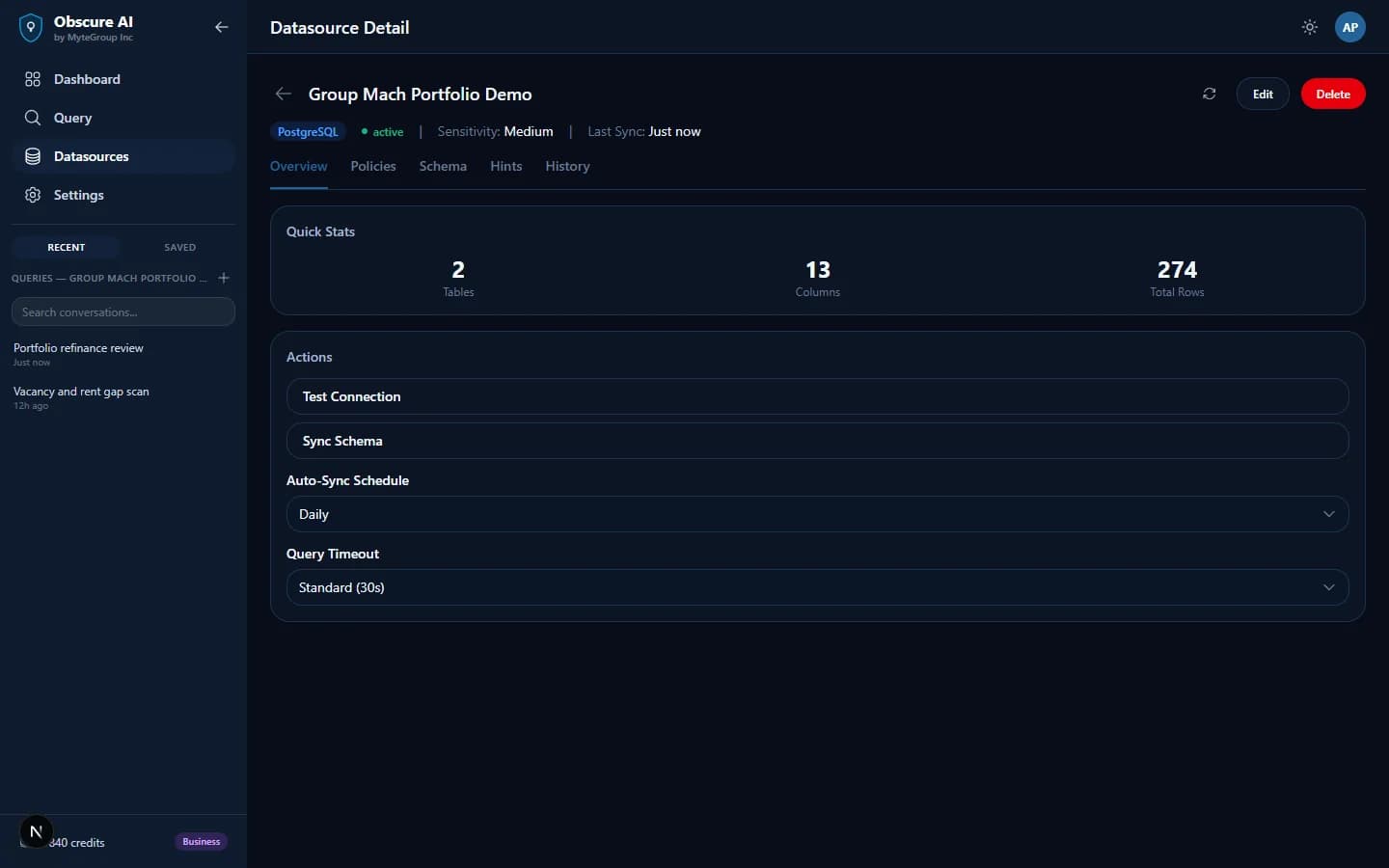
Private inference architecture should define model runtime, network boundary, credential strategy, data flow, logging, output storage, review states, and observability. The system should be maintainable after the first demo.
How Myte delivers it
- 1Classify data boundaries, workflow needs, model requirements, and acceptable deployment options.
- 2Build the private inference path with access controls, logging, and review workflow.
- 3Connect AI outputs to the owned operating system where users actually work.
- 4Harden monitoring, cost controls, model updates, documentation, and incident response.
Buyer checklist
Why this belongs in your operating system
Myte builds private AI around the operating system. We help choose the inference posture, connect it to governed workflows, and preserve the client ownership path.
Approved screenshots and workflow examples that show how the operating model works in practice.
Questions operators ask
What is private inference?
AI inference deployed through a controlled environment and data path instead of unrestricted public-tool usage.
Does it have to run locally?
Not always. It can run locally, in a private cloud, or in a managed environment depending on governance.
Why does workflow integration matter?
AI creates value when outputs land in the work users already need to perform.
Can models change later?
Yes. A good architecture separates model choice from the owned workflow.
Can Myte manage it?
Yes. Myte can manage the environment or support client-managed infrastructure.
Related field notes
Own Your Stack: White-Glove Build Today, Self-Serve Power Tomorrow
Myte builds the operating system with you first, then leaves your organization with the documentation, deployment model, and ownership path to keep extending it.
Read notePrivate AI for Union Data Is Not a Chatbot. It Is a Trust Boundary.
A useful union AI system lets leaders ask simple questions while keeping real data behind governed retrieval, normalization, permissions, and deterministic server logic.
Read noteOperational Visibility Should Tell You What Needs Action, Not Just What Is Broken
A useful monitoring system connects system health, queues, exceptions, owners, context, and next action into one operating surface.
Read noteBuild your owned operating system with Myte
Start with one workflow your team already understands, then turn it into software your business owns.