Operational Visibility Should Tell You What Needs Action, Not Just What Is Broken
A useful monitoring system connects system health, queues, exceptions, owners, context, and next action into one operating surface.
The operator moment
A queue grows, a job fails, a user reports a problem, or a metric changes. The team has to decide whether it matters and who acts. If the monitoring wall cannot answer that, it becomes background noise.
The hidden cost
The hidden cost is slow response. Teams spend time finding logs, asking who owns the issue, and rebuilding the timeline. The system should bring evidence and ownership together before the conversation starts.
Generic monitoring shows signals, but operating systems need context, ownership, workflow state, evidence, escalation, and review history attached to the signal.
What changes when the system is owned
Workflow map
How to read the proof
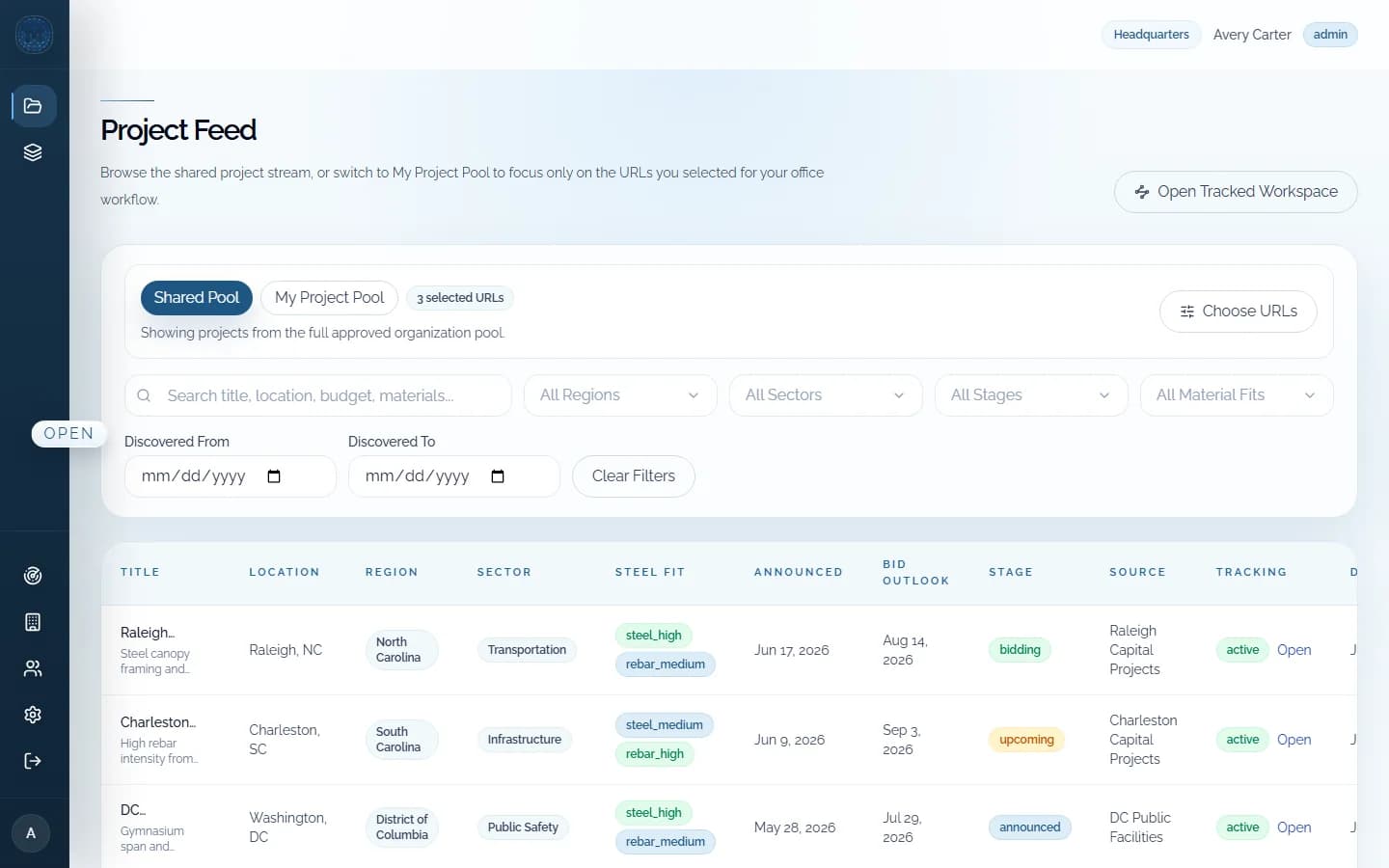
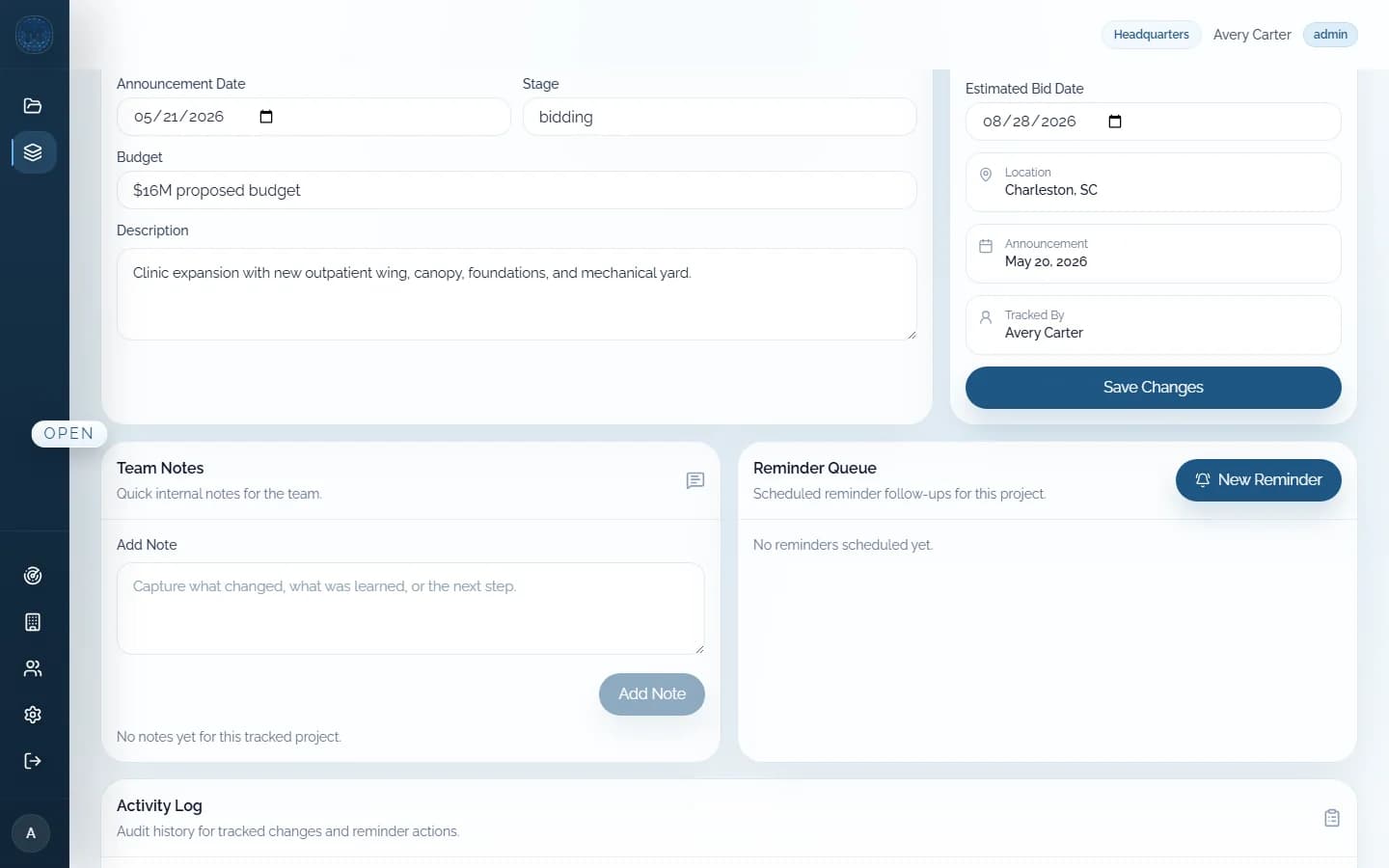
Operational visibility should ingest health, job, queue, error, and user-action signals into structured records. Those records should carry owner, state, evidence, timestamps, and resolution history.
How Myte delivers it
- 1Identify the signals that matter for the deployed operating system.
- 2Build the first visibility board around health, queues, exceptions, ownership, and evidence.
- 3Define response rules and review rhythm with the operating team.
- 4Extend into alerts, reports, maintenance runbooks, and AI-assisted summaries.
Buyer checklist
Why this belongs in your operating system
Myte builds and maintains systems that need to keep working. Overwatch-style visibility makes deployed environments manageable because the system explains what needs attention.
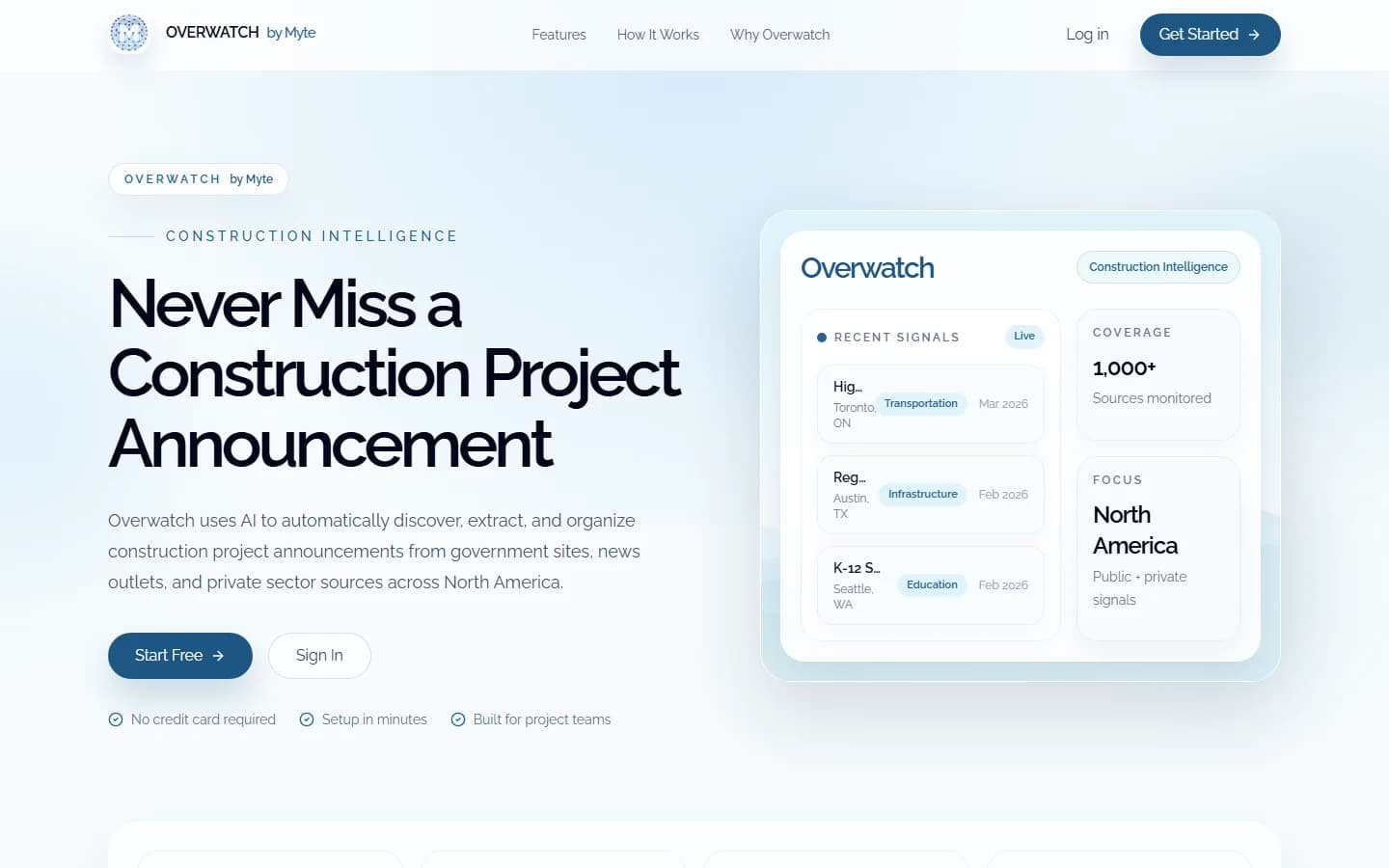
Approved screenshots and workflow examples that show how the operating model works in practice.
Questions operators ask
What is operational visibility?
A system that connects health, alerts, queues, errors, owners, evidence, and next action.
Is this the same as monitoring?
Monitoring is a source. Operational visibility turns signals into accountable workflow.
Can leaders use it?
Yes, if the views are designed around status, ownership, and action.
Can AI summarize incidents?
Yes, once the evidence and state are structured.
When should it be built?
As soon as a system becomes important enough to maintain reliably.
Related field notes
Myte Cody Turns Ideas Into Production Operating Systems
Cody is the delivery operating layer that keeps client intent, missions, conversations, feedback, proof, code, and handoff connected.
Read noteOwn Your Stack: White-Glove Build Today, Self-Serve Power Tomorrow
Myte builds the operating system with you first, then leaves your organization with the documentation, deployment model, and ownership path to keep extending it.
Read notePrivate Inference Is an Operating Posture, Not a Model Choice
Private AI becomes real when the model path, data boundary, deployment environment, access rules, and workflow integration are designed together.
Read noteBuild your owned operating system with Myte
Start with one workflow your team already understands, then turn it into software your business owns.